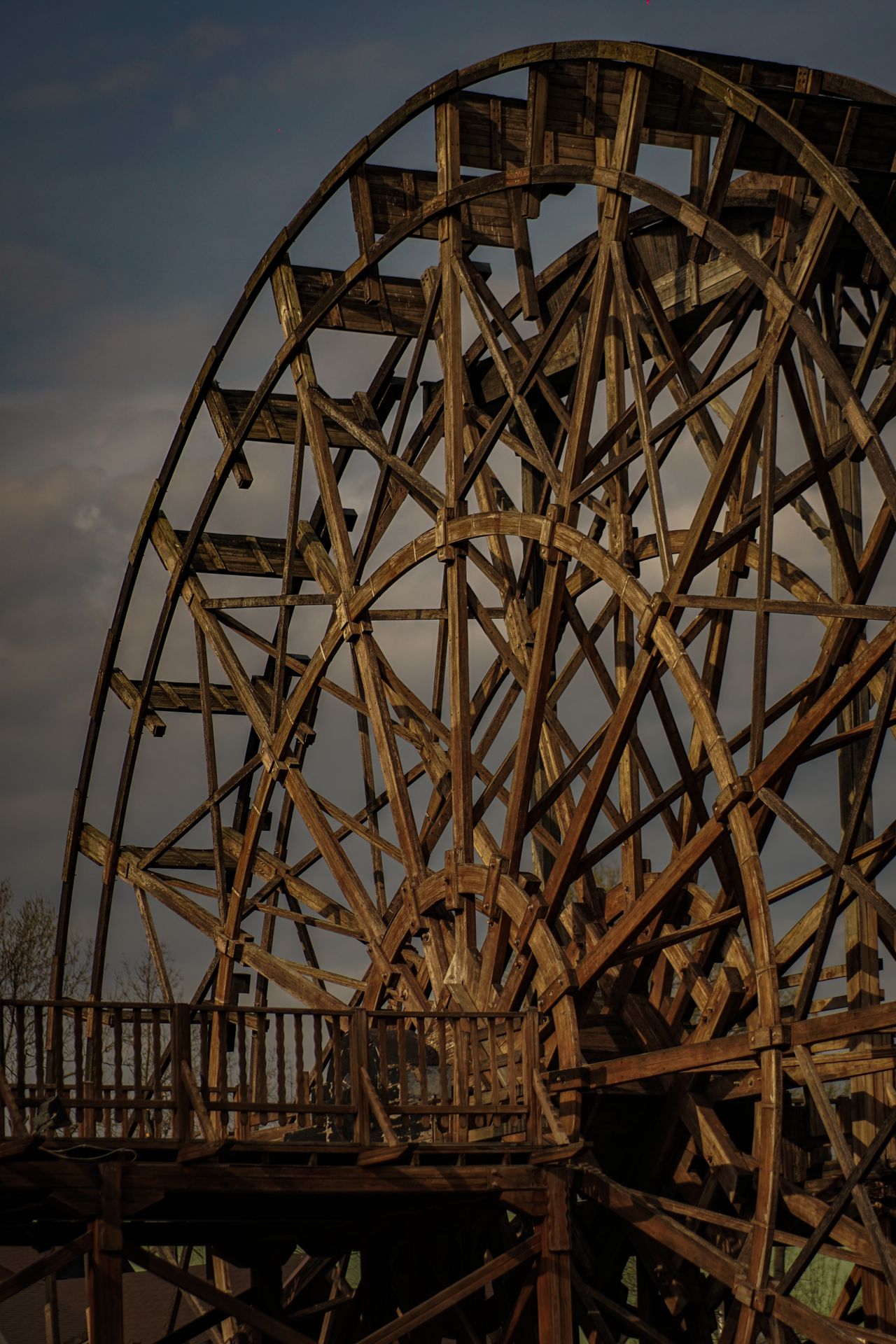
Calbourne Water Mill is a genuine working watermill in the rural village of Calbourne, on the western side of the Isle of Wight — a quieter, more traditional attraction than the island's larger family parks.
Admission Pricing
Pricing for Calbourne Water Mill has varied over time and we don't have a verified current figure to quote confidently for 2026 — check the mill's current admission prices directly before visiting, since rural, smaller-scale attractions like this can change pricing and opening arrangements between seasons more than larger operators do.
What's Actually There
The site centres on a genuine working watermill with historic machinery, set alongside a rural museum covering local history and traditional rural life on the island. The setting itself — a working mill pond, rural buildings, and countryside surroundings — is a large part of the appeal, offering a genuinely different pace and atmosphere from the island's coastal attractions.
How a Working Watermill Actually Operates
For visitors unfamiliar with the mechanics, a traditional watermill like Calbourne uses the flow of water from the mill pond, channelled over or under a large waterwheel, to turn a shaft connected to grinding stones inside the building — historically used to grind grain into flour for the surrounding farming community. Seeing this genuine mechanical process in action, rather than reading about it in a static museum display, is a large part of what makes a visit here different from a conventional heritage attraction, and it's a good opportunity for children to see real historical technology actually working rather than just described on a plaque.
Who It Suits
Calbourne Water Mill suits visitors interested in genuine rural history and a quieter, slower-paced visit — it's a good complement to a day that also includes more active attractions, rather than a substitute for them. Families with younger children looking purely for structured play and rides will likely find more targeted entertainment at Tapnell Farm or Blackgang Chine.
Practical Tips
Check opening days and seasonal hours before travelling, since smaller rural attractions like this often have more limited or seasonal opening than larger operators.
Allow a modest amount of time. This is generally a shorter visit than a full-day family park, making it easy to combine with other nearby western-island attractions like The Needles or Yarmouth on the same day.
Wear comfortable outdoor shoes. As a genuine rural site with a mill pond and surrounding grounds, some areas involve outdoor, uneven ground rather than flat, paved paths throughout.
Combining With Other West Wight Attractions
Given its location in the rural west of the island, Calbourne Water Mill pairs naturally with a wider West Wight day trip — see our Needles chairlift guide or our Colwell Bay beach guide if you're building a fuller itinerary around this side of the island.
Frequently Asked Questions
Is Calbourne Water Mill worth visiting?
Yes, if you're interested in genuine rural history and a quieter pace — it offers real working mill machinery and a rural museum setting, different from the island's larger, more active family attractions.
How much does Calbourne Water Mill cost to visit?
Check the mill's current admission prices directly before visiting, as pricing for smaller rural attractions like this can change between seasons.
Is Calbourne Water Mill good for young children?
It's a quieter, more historically-focused visit rather than a structured play attraction — families purely seeking active entertainment may prefer Tapnell Farm or Blackgang Chine, though the genuine working mill mechanism is a good, tangible history lesson for curious children.
How does a watermill like Calbourne actually work?
Water from the mill pond flows over or under a large waterwheel, turning a shaft connected to grinding stones inside the mill that historically ground grain into flour — a genuine mechanical process still demonstrable today, rather than just described in a museum display.
Related: Tapnell Farm tickets and prices · Is Carisbrooke Castle worth visiting? · Isle of Wight Steam Railway prices