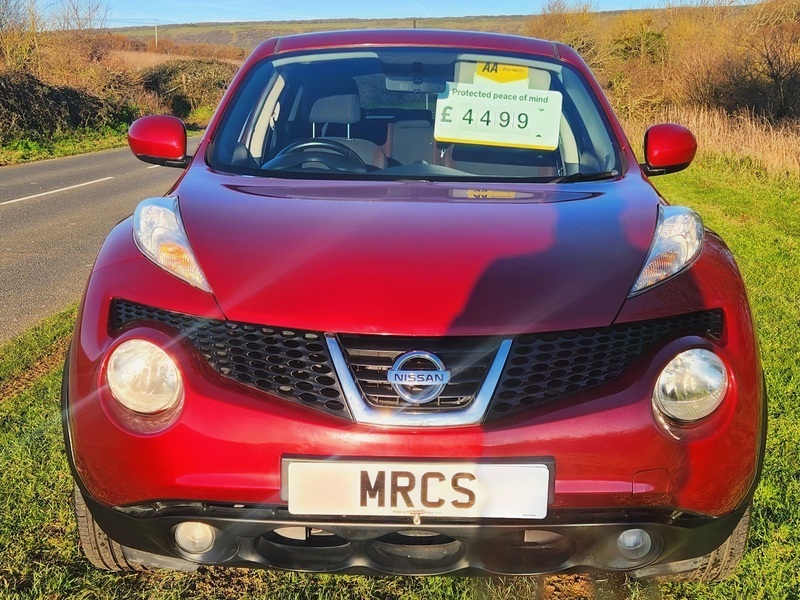
An HPI check is a database search that reveals a vehicle's hidden history. It costs £15–£20 and is the single most important paid check a private buyer can make. Here's what it tells you, what the results mean, and how to run one.
What Does an HPI Check Reveal?
| Check | What It Shows | Why It Matters |
|---|---|---|
| Outstanding finance | Whether the car is still on a finance agreement | If you buy a car with outstanding finance, the finance company can legally repossess it |
| Write-off status | Whether the car has been in a serious accident | Category S/N write-offs must be declared; they affect value and may affect insurance |
| Stolen status | Whether the vehicle is reported stolen | Buying a stolen car means losing it immediately if recovered |
| Mileage anomalies | Mileage recorded at MOT and service events | Flags potential clocking (odometer fraud) |
| Number plate changes | Personalised plates and previous registrations | Used to obscure vehicle identity in fraud |
| Colour changes | History of colour changes | Can indicate identity fraud or accident repair |
| Imports/exports | Whether the car was imported | Affects parts availability and service history verification |
A Free First Check: Does the Plate Match the Car?
Before paying for an HPI check, a quick free sanity check is worth doing: confirm the registration plate's age identifier matches the first-registration date on the V5C. A mismatch — a seller claiming a car is a year younger than its plate suggests — is a red flag worth asking about before you go further. Use our Number Plate Year Checker to decode any current-format plate in seconds.
What HPI Doesn't Show
HPI is not a complete picture. It does not show:
- The car's mechanical condition
- Whether previous repairs were done properly
- Service history (beyond recorded mileage at MOT)
- Minor accident repairs not claimed on insurance
- Whether the car has been used as a taxi or private hire vehicle (some providers include this as an add-on)
Always combine an HPI check with a physical inspection. Our pre-purchase inspection checklist covers this.
Understanding the Results
Outstanding Finance — The Most Common Issue
The most frequently flagged issue in HPI checks is outstanding finance. This happens when the previous owner bought the car on PCP, HP, or a loan — and sold it before paying off the agreement.
Under UK law, the finance company retains an interest in the vehicle until the finance is cleared. If you buy the car, the lender can legally repossess it from you — regardless of what you paid.
If finance is outstanding: Don't complete the purchase unless the seller can provide written confirmation from the finance company that the debt has been cleared, or you can arrange to pay the lender directly with the remainder going to the seller.
Write-Off Categories Explained
| Category | What It Means | Can It Be Sold? |
|---|---|---|
| A | Crushed — must be destroyed | No |
| B | Body destroyed, some parts salvageable | Body must be destroyed, parts may be sold |
| S | Structural damage, repaired and returned to road | Yes, but must be declared |
| N | Non-structural damage, repaired | Yes, must be declared |
Category S and N cars can be perfectly safe after repair — but they must be disclosed, and they carry lower market value as a result. If the seller is claiming no history and the HPI shows Category S, that's a serious red flag.
Stolen Vehicles
If an HPI check flags the vehicle as stolen, do not buy it and do not confront the seller alone. Contact the police with the vehicle's registration number. Buying a stolen vehicle means you lose it and any money paid.
Mileage Anomaly
HPI checks cross-reference mileage recorded at MOT, service centres, and other data points. If the mileage shown on the odometer is lower than a previous recorded mileage, the car may have been clocked.
Free alternative for mileage checking: The DVSA's free MOT history checker at gov.uk/check-mot-history shows mileage recorded at every MOT. You can spot inconsistencies without a paid HPI check.
How to Run an HPI Check
Several providers offer HPI-equivalent checks:
| Provider | Approximate Cost | What's Included |
|---|---|---|
| HPI Check (official) | £19.99 | Full check, mileage, finance, write-off, stolen |
| RAC Vehicle Check | £19.99 | Similar scope |
| AA Car Data Check | £19.99 | Similar scope |
| mycarcheck.com | £9.99–£19.99 | Good coverage, lower cost tier available |
All you need is the vehicle registration number. Results are instant online.
Free checks: The DVLA free vehicle enquiry service confirms tax, MOT status, and basic vehicle details. The DVSA MOT history shows mileage over time. These are useful but don't cover finance, write-off, or theft — for those, you need a paid check.
When Is an HPI Check Worth It?
| Purchase Value | Recommendation |
|---|---|
| Under £500 | Optional — weigh cost against car value |
| £500–£1,000 | Recommended |
| Over £1,000 | Always run one |
For any purchase where you'd be upset to lose the money, run an HPI check. At £15–£20, it's inexpensive insurance.
Can a Seller Object to an HPI Check?
Any legitimate seller will understand and accept a buyer running an HPI check. If a seller actively discourages or refuses to allow you to check the car's history — that is itself a strong reason to walk away.
Frequently Asked Questions
What does HPI check stand for?
HPI stands for Hire Purchase Information — the original name comes from the database's roots in checking whether a car was still on a hire purchase agreement. Today, HPI checks are used to verify multiple aspects of a vehicle's history: outstanding finance of any type (PCP, HP, personal loan secured on the vehicle), insurance write-off status, stolen vehicle records, mileage consistency, and identity checks (plate changes, colour changes). The term is now used generically for any full vehicle history check, regardless of provider.
Is an HPI check worth doing?
Yes — for any purchase above £1,000. At £15–£20, it's the cheapest protection available against buying a car with hidden problems. The most common catch is outstanding finance: if the previous owner financed the car and sold it without clearing the debt, the lender can legally repossess the vehicle from you. Running a check before handing over money costs under £20 and takes two minutes. Skipping it on a £4,000 car to save £20 is a false economy.
Can I check HPI for free?
Partially. The DVSA MOT history checker at gov.uk/check-mot-history is free and shows mileage recorded at every MOT — useful for spotting clocking. The DVLA vehicle enquiry service confirms tax and MOT status. Neither covers outstanding finance, write-off history, or theft — for these, a paid check (£9.99–£19.99) is required. Free checks are worth doing before you visit, but don't replace a full paid check before completing any purchase over £1,000.
What happens if I buy a car with outstanding finance on the Isle of Wight?
The finance company retains legal ownership of the vehicle until the debt is cleared — regardless of what you paid for it. They can repossess it from you, and you would lose both the car and your money with no legal claim against the finance company. Your only recourse is against the seller who fraudulently sold you the vehicle. If a check reveals outstanding finance, contact the seller and request written confirmation from the lender that it has been cleared before proceeding. If the seller refuses or can't provide this, walk away.
What is a Category S or N write-off car?
Insurance write-off categories describe why an insurer declared a car beyond economic repair. Category S (structural) means the car suffered structural damage in an accident and was repaired; the chassis or body structure was affected. Category N (non-structural) means non-structural damage was repaired. Both can be legally sold and driven, but must be disclosed and typically sell for 20–30% less than an equivalent undamaged car. A well-repaired Cat S or N car can be perfectly safe — but buying one without knowing is the issue. If an HPI check reveals write-off history that the seller didn't disclose, treat it as deliberate concealment.
Browse cars on WightWheels → — all island sellers, easy to verify in person.
Related: Avoid scams guide · Pre-purchase inspection checklist · Used car checklist