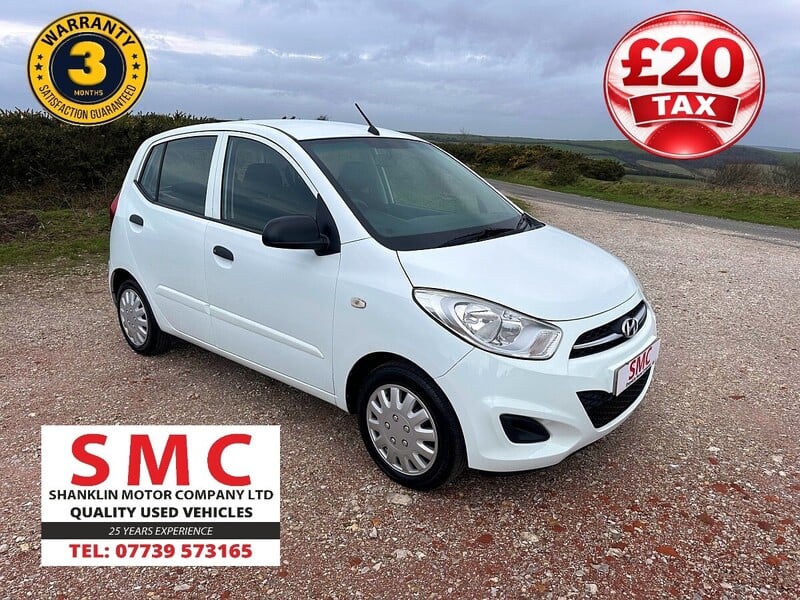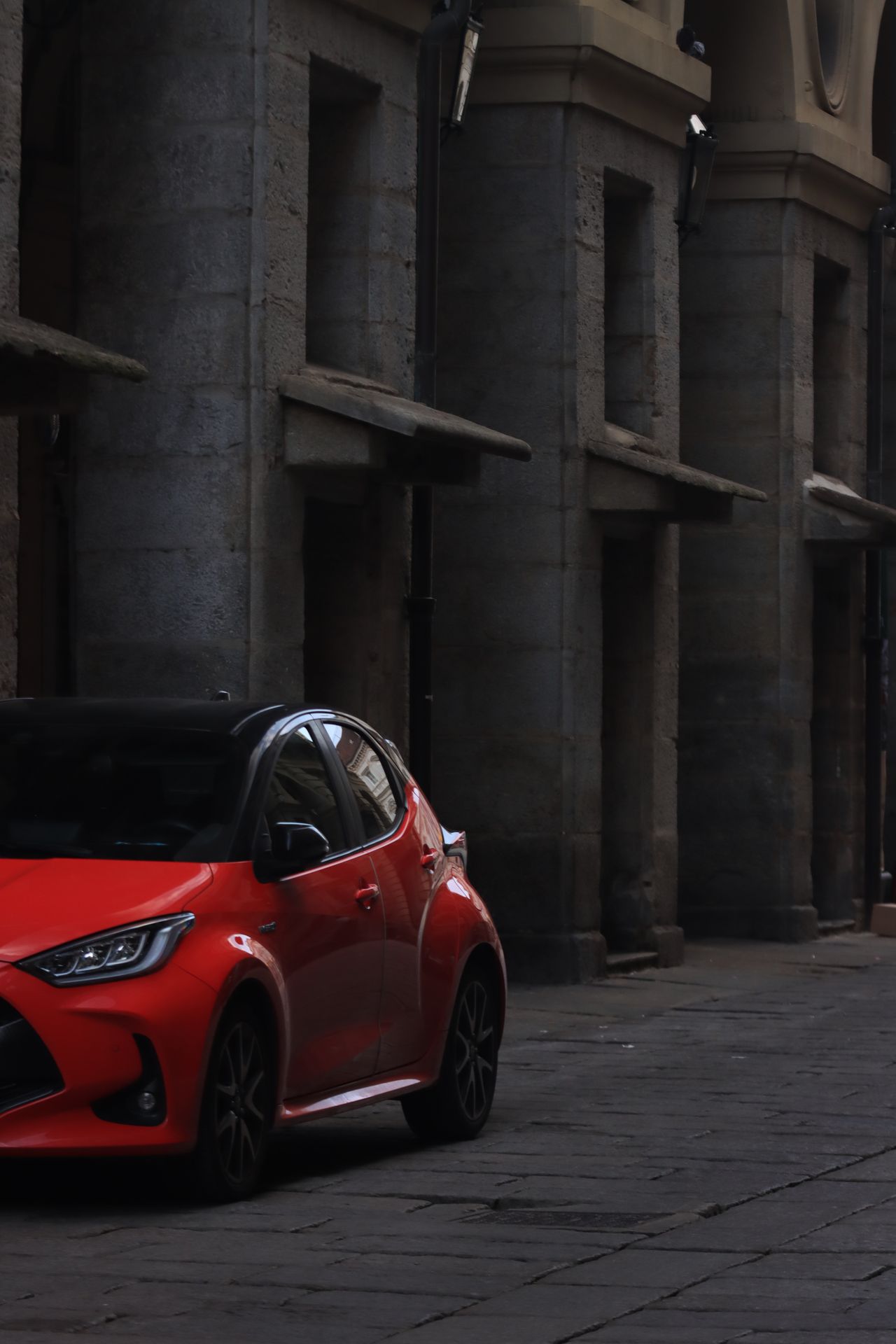
The Toyota Yaris has one of the strongest reliability records of any small car — and that matters on an island where you can't just drop your car at the nearest main dealer when something goes wrong. Cheap to run, easy to park on narrow IoW lanes, and with a huge parts and service network, the Yaris is a sound choice for island life.
Browse Toyota Yaris listings on WightWheels →
Which Generation to Buy
2006–2011 (Mk2): The simplest Yaris. 1.0 or 1.3 petrol engines, very low running costs, and about as easy to service as any modern car gets. Fine for low-budget buyers. Look for examples with service history and no rust on sills or rear wheel arches.
2011–2020 (Mk3): The most widely available on the island. Better ride quality, improved safety ratings, and available in hybrid form from 2012. The 1.33 VVT-i petrol is reliable and economical. Avoid the 1.4 diesel — it's rare, adds complexity, and the short-trip island driving is hard on diesel particulate filters.
2020–present (Mk4 GR Sport / Hybrid): Near-new cars. The entire range is now hybrid. Very efficient (up to 56mpg real-world), quiet in town, and well-equipped. Expensive new but becoming available second-hand with low mileage.
Hybrid or Petrol?
The Yaris hybrid is an excellent choice for Isle of Wight driving.
Island driving conditions are ideal for hybrids:
- Short journeys (most IoW trips are under 10 miles)
- Lots of 30mph zones and town driving
- Frequent starts and stops
- The battery recharges during deceleration — you never plug it in
In hybrid mode on typical IoW roads, you'll achieve genuine 50–60mpg. That's significantly better than the petrol version on the same routes.
The catch: Hybrid models cost more. Budget an extra £1,500–£3,000 for a hybrid versus an equivalent petrol Yaris of the same age.
Known Issues to Check
Rust (all generations): Despite Toyota's reputation, the Mk2 and early Mk3 can rust at the rear wheel arches and sill ends, especially on island cars with salt air exposure. Check these areas carefully.
CVT gearbox (some models): The automatic hybrid uses a CVT transmission. Generally reliable in the Yaris, but listen for any whining or hesitation. A smoother, more consistent driving feel is what you want.
Battery (hybrids over 10 years old): Toyota hybrid batteries rarely need replacement, but if you're buying a 2012–2015 hybrid, ask if any battery advisory has appeared. Health checks are available at Toyota dealers.
Budget Guide
| Budget | What You'll Get |
|---|---|
| Under £3,000 | 2007–2012 petrol, 60,000–100,000 miles |
| £3,000–£5,000 | 2012–2016 petrol or early hybrid |
| £5,000–£8,000 | 2016–2019 hybrid, low-to-mid mileage |
| £8,000–£12,000 | 2019–2022 hybrid, under 40,000 miles |
Why the Yaris Suits Isle of Wight Life
- Low annual mileage: IoW journeys are short. A Yaris with 50,000 island miles has worked far less hard than a mainland car with the same reading.
- Reliability: Local independents know Toyotas well. Parts are inexpensive and always available.
- Fuel economy: The 1.33 petrol returns 45–50mpg on island roads. The hybrid does even better.
- Parking: Compact enough for Newport town centre, narrow lanes, and small island driveways.
Frequently Asked Questions
What is the best Toyota Yaris to buy on the Isle of Wight? The Mk4 Yaris hybrid (2020+) is the standout choice for IoW buyers who can stretch the budget — the self-charging hybrid is genuinely excellent in island conditions and the entire current range is hybrid-only. For buyers on a tighter budget, a 2016–2019 Mk3 hybrid with documented Toyota service history is the best value option. Avoid the diesel (1.4D) on any generation — it's rare and adds DPF complexity for island driving.
Is the Toyota Yaris hybrid worth it for island driving? Yes — strongly. The hybrid earns back its purchase premium quickly on IoW driving conditions. In stop-start town driving and on 30mph island roads, the electric motor handles most of the work and fuel consumption drops significantly versus an equivalent petrol. Real-world economy of 50–60mpg on IoW routes is realistic. You never plug it in — the battery recharges from braking and coasting, which the island's gradients and frequent stops provide plenty of.
What should I check when buying a Toyota Yaris from the IoW? Despite Toyota's reliability reputation, salt air corrosion affects rear wheel arches and sill ends on older Mk2 and early Mk3 examples — check these areas carefully on any car over 10 years old. On hybrid models, ask if any battery advisory has appeared and get a battery health check done at a Toyota dealer — this is free on most visits and gives you independent confirmation. Verify the CVT automatic is smooth and consistent with no whining or hesitation.
How much does a Toyota Yaris cost on the Isle of Wight? A 2007–2012 Mk2 petrol starts under £3,000 in reasonable condition. A 2012–2016 Mk3 petrol or early hybrid costs £3,000–£5,000. Mk3 hybrids (2016–2019) typically run £5,000–£8,000. The Mk4 (2020+) all-hybrid range starts around £8,000–£12,000 used. Island pricing broadly tracks mainland values — Yaris supply on the IoW is consistent but not as high as Fiesta or Corsa.
Is the Toyota Yaris genuinely reliable on the Isle of Wight? Yes — it has one of the strongest real-world reliability records of any small car. Toyota's hybrid system in particular is extremely durable; many Mk2 and Mk3 hybrids have passed 150,000–200,000 miles without significant battery issues. For IoW buyers who want a car that simply works without drama, the Yaris is one of the top choices. Any local independent garage can service it and parts are inexpensive and always available.
Browse cars for sale on the Isle of Wight →
Related: Salt air corrosion guide · Best used cars under £5,000 IoW · Pre-purchase inspection checklist