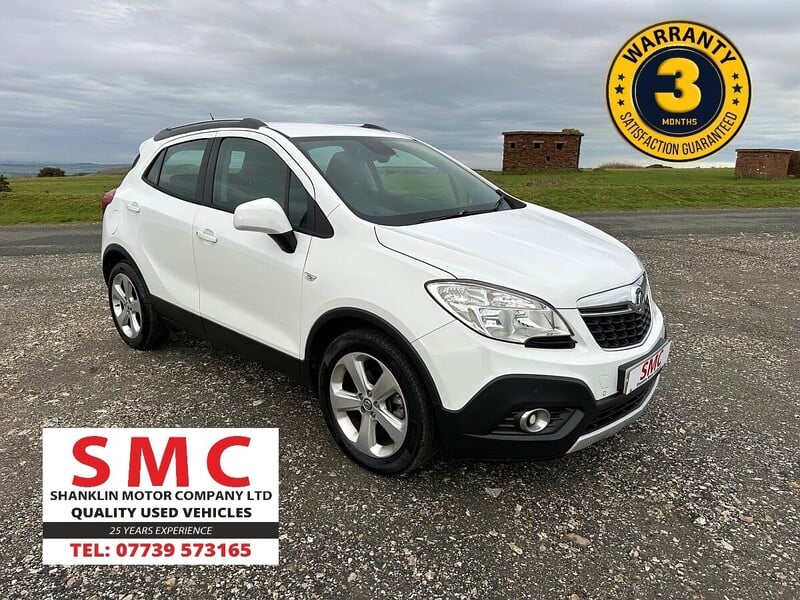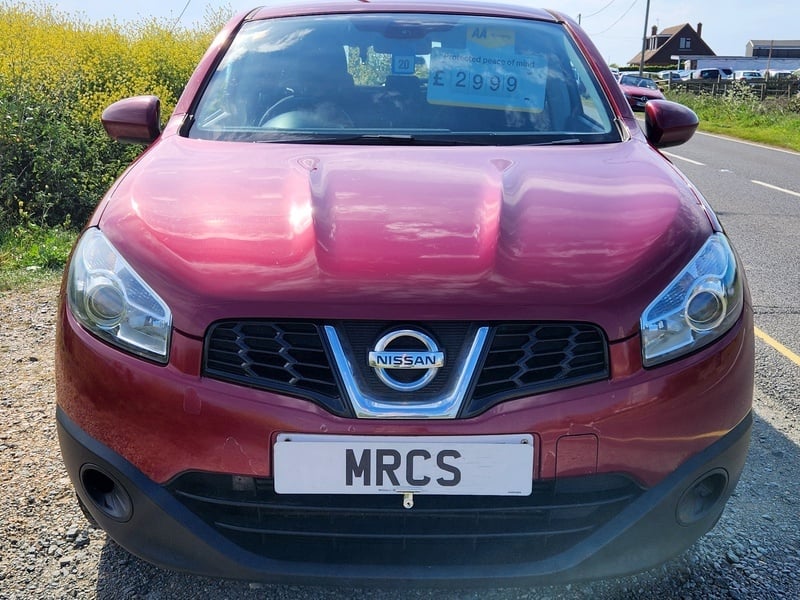
Whether you're a tradesperson needing a panel van, a family looking for a campervan conversion, or a small business owner searching for a reliable workhorse, buying a van on the Isle of Wight has real advantages over shopping on the mainland — and a few unique things to watch out for.
Why Buy a Van Locally?
Ferry costs are the obvious reason. A standard van on Wightlink or Red Funnel costs between £80 and £150 each way depending on the vehicle length and time of travel. A return trip to collect a van from the mainland adds real money to the purchase price before you've even done the deal.
Local history is easier to verify. A van sold on the island by a local tradesperson comes with a traceable service history. You can often visit the garage it was serviced at, speak to previous employers who may know the van's working life, or confirm its use through local business contacts.
Island vans tend to do lower mileage. Most commercial work on the island is done over short distances — Newport to Ryde, Cowes to Ventnor. Even a well-used local van rarely racks up the dual-carriageway miles that mainland delivery or trade vans accumulate.
What Types of Vans Come Up on the Island?
| Van Category | Common Models | Best For |
|---|---|---|
| Small vans | Vauxhall Combo, Ford Transit Connect, Peugeot Partner, VW Caddy | Tradespeople, tight parking, local delivery |
| Medium panel vans | Ford Transit Custom, Vauxhall Vivaro, Renault Trafic | Plumbers, electricians, builders |
| Large vans | Ford Transit, Mercedes Sprinter | Heavy loads, high-roof storage |
| Campervan conversions | Various | Lifestyle buyers, festival use, camping |
The backbone of the island's van market is the medium panel van. Ford Transit Customs in particular appear regularly — used by local builders, electricians, and trades who upgrade or retire them after several years of island service.
Small vans are popular for the same reason small cars are: Newport's town centre, Ryde's streets, and the island's narrow lanes all reward a compact footprint.
Height restriction note: If you'll be using the ferry regularly with a high-roof van, check Wightlink and Red Funnel's current height restrictions before buying. Not all vessels can accommodate extended-height commercial vehicles.
Key Things to Check When Buying a Van on the Island
Underbody Corrosion
Vans that have spent years near the coast are more susceptible to chassis and underbody rust. Get underneath with a torch before committing. Key areas:
- Chassis rails (especially front and rear sections)
- Floor pans beneath the cab
- Wheel arch linings and sills
- Rear cross-member
Payload and Load Area
Check the van's plated payload matches your needs. Look inside the load area for evidence of how it's been used — a van that's carried heavy concrete or sharp materials may have a stressed floor or damaged lining.
Service History
More important for vans than cars. Commercial vehicles often cover higher annual mileage and work harder. A stamped book or verifiable service history is worth paying a premium for.
Tyre Condition
Commercial tyres are expensive. Check all four (plus the spare) for tread depth and sidewall condition. Budget for replacement if they're approaching the legal minimum.
MOT History
Check the free MOT history at gov.uk/check-mot-history. Commercial vehicle advisories are worth reading carefully — brake efficiency warnings, steering play, and structural flags are more significant on a van than a car.
Ferry Considerations for Van Buyers
| Route | Operator | Typical Van Cost (2026) |
|---|---|---|
| Fishbourne–Portsmouth | Wightlink | £80–£150 one way |
| Yarmouth–Lymington | Wightlink | £75–£130 one way |
| East Cowes–Southampton | Red Funnel | £85–£160 one way |
If your business requires regular mainland trips, van ferry costs are a significant annual expense. Budget these into running costs accordingly.
For tradespeople who work only on the island, the ferry cost is irrelevant — which is one reason why island van buyers often get better value by buying locally rather than from mainland dealers.
Selling Your Van?
If you're moving on from a van that's served you well, list it free on WightWheels. Island tradespeople and lifestyle buyers are actively looking, and selling locally means no ferry delivery hassle for either party.
Frequently Asked Questions
Is it better to buy a van locally on the Isle of Wight or from the mainland? Buying locally is usually better for IoW-based buyers. A return ferry trip for a large van costs £160–£300 on top of the purchase price before you've started. Local vans from island tradespeople have traceable history — you can often verify service records at the local garage that maintained them, and the community is small enough that a van with known issues won't stay secret long. Local examples also tend to have lower annual mileage, as island commercial work rarely racks up the dual-carriageway miles that mainland delivery vans accumulate. For rare or specific models not available locally, the mainland becomes necessary — but factor in the full ferry cost.
How much does it cost to take a van on the ferry to the Isle of Wight? It depends on the vehicle length. Standard-length vans (up to 5m) pay a similar rate to large cars — roughly £70–£90 one way on Wightlink. Medium motorhome-length vans (5–6m) pay more, around £90–£130 one way. Large vans over 6m (including long-wheelbase Transits, Sprinters, and motorhomes) can pay £120–£180+ one way. Height restrictions apply on some vessels — particularly the Wightlink Lymington to Yarmouth route, which operates smaller boats. Always confirm your vehicle's dimensions with the operator before booking, and book as far in advance as possible for larger vehicles in peak season.
What should I check when buying a used van on the Isle of Wight? Underbody corrosion is the most important island-specific check — coastal salt air attacks chassis rails, floor pans, and rear cross-members more aggressively than inland. Get underneath with a torch and inspect carefully. Also check: payload capacity matches your needs; the load area for signs of heavy or abusive use (stressed floor, damaged lining); service history (commercial vehicles work harder than cars and regular oil changes are critical); tyre condition and age on all four positions plus the spare; and full MOT history at gov.uk for any structural or brake advisories.
What types of van come up for sale on the Isle of Wight? The backbone of the island market is medium panel vans — Ford Transit Customs, Vauxhall Vivaros, and Renault Trafics used by local builders, electricians, and tradespeople. Small vans (Ford Transit Connect, VW Caddy, Peugeot Partner) are popular for the same reasons small cars are: Newport's town centre and the island's narrow lanes reward compact footprints. Large vans (Ford Transit, Mercedes Sprinter) appear with less frequency. Campervan conversions — particularly VW T5 and T6 builds — come up regularly in the lifestyle buyer market. Older Fiat Ducato-based motorhomes also appear occasionally.
Do island vans tend to have lower mileage than mainland equivalents? Generally yes — most commercial work on the island covers short distances between settlements (Newport to Ryde is 8 miles, Newport to Cowes is 5 miles). Even a well-used local trade van rarely racks up the mileage that a mainland delivery or site-coverage vehicle accumulates. A Transit Custom used by a Newport electrician for six years might have 40,000 miles; the equivalent mainland van working a wide service area might have 90,000. This mileage advantage is one of the genuine reasons IoW local van purchases can represent better value than mainland equivalents at the same price.
Browse all Isle of Wight listings →
Related: Motorbikes for sale guide · Campervans on the IoW · HPI checks explained