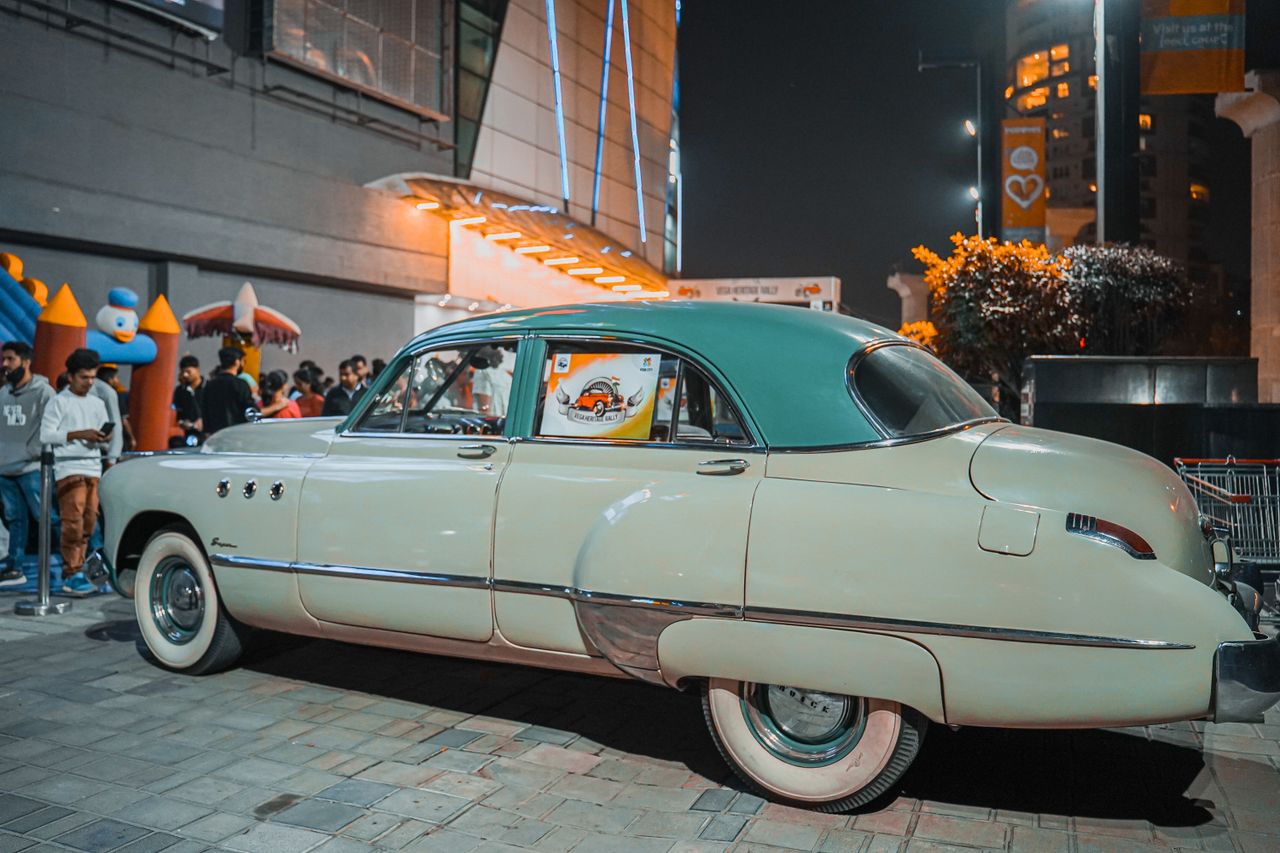
The Isle of Wight might seem an unlikely centre for classic car culture, but the island has several things going for it: lower road mileage than mainland equivalents, a population with time and space to maintain vehicles properly, and a strong community of enthusiasts who've been quietly collecting for decades.
Looking for a classic car? Browse current classic and vintage listings on WightWheels →
The Island Advantage for Classics
Lower annual mileage. A classic that's spent its life on the island will often have covered far fewer miles than a mainland equivalent. Short island journeys, weekend-only use, and no motorway miles mean engines and drivetrains that have been worked less hard.
Dry storage options. Unlike city environments where garages are rare, many IoW properties — particularly those with agricultural land or converted outbuildings — have dry storage. Well-stored classics deteriorate far slower.
Community knowledge. The classic car community on the island is small enough that the history of notable local cars is often known. A well-known local owner selling their long-term car is a very different proposition from an unknown mainland listing.
The Salt Air Challenge
The downside for island classics is the same coastal salt air that affects all island cars — just accelerated over decades for older vehicles with less rust protection than modern cars.
Key checks for island classics:
- Chassis and floor pan perforation — critical on pre-1980 cars without galvanised bodies
- Sill sections (most classics have hollow sills that collect moisture)
- Wheel arch lips and inner arches
- Boot floor and spare wheel compartment
- Any areas where bodywork joins or overlaps
The best island classics have been actively maintained against corrosion — undersealed regularly, cavity-waxed, stored dry. The worst have been left outside for decades in salt-laden air and may look presentable on top while hiding structural problems underneath.
What Types of Classics Come Up on the Island
British classics: Morris Minors, Austin A35s, Triumph Heralds, and various Austin-Healey and MG sports cars come up regularly. Many were sold new to island residents and have never left.
VW Beetles and campers: A perennial island favourite. Low-mileage Beetles with known island history are a good find.
Ford classics: Cortinas, Escorts, and Capris appear with reasonable frequency.
Japanese classics: Increasingly popular — MX-5s, early Supra, and older Honda sports cars. Generally well-preserved due to better rust protection from manufacture.
Commercial classics: Older Land Rovers, Series I–III, are suited to island terrain and farming use. Available but increasingly valuable.
Classic Car Prices on the Isle of Wight
Island classics don't always come cheap. The "low mileage island car" story has filtered into the wider UK market, and sellers know it. Expect:
- Common British classics (Morris Minor, Triumph Herald): £3,000–£15,000 depending on condition
- MG sports cars (MGB, Midget): £5,000–£20,000 for solid driveable examples
- VW Beetles: £5,000–£18,000 for sound usable cars; concours examples more
- Land Rover Series: £8,000–£25,000+ for restored examples
- Ford Cortina / Escort: £4,000–£12,000 for project to good driver quality
The honest truth: a mainland classic in comparable condition will sometimes cost less simply because there's more supply. The island premium exists, but it's not universal — private sellers at the right price do appear, particularly through local word-of-mouth and community listings.
The 2026 Market: What's Selling on the Isle of Wight
The IoW classic car market in 2026 reflects wider UK trends — well-documented examples sell quickly, and the "low-mileage island car" provenance story has genuine buyer appeal nationally. Some patterns worth knowing before you buy or sell:
British Leyland classics have appreciated. Morris Minors, Austin A40s, and Triumph Heralds that were affordable five years ago have risen sharply. Condition and documentation now split prices significantly — a tired barn find and a restored, well-documented example are worlds apart in value even within the same model.
VW campers attract mainland buyers. Bay Window and Split Screen campers are the most competitive segment of the IoW classic market. Good Bay Windows regularly change hands above £25,000, often bought by mainland buyers who value the island provenance. Original Split Screens with verified IoW history are rare and command premium prices.
The Mazda MX-5 is the fastest-moving affordable classic. Mk1 (1989–1998) and Mk2 (1998–2005) examples are simple, fun, well-supported by the parts trade, and genuinely suited to IoW roads — no motorway needed, island lanes are where they shine. Expect £4,000–£10,000 for a usable car. They move quickly when priced fairly.
Land Rover Series values have stabilised after years of appreciation. Buyers are now more selective about condition. A well-documented Series IIA with verifiable IoW history still commands premium prices; a rough project is harder to shift than it was two to three years ago.
What adds value in 2026: Documentation depth is the single biggest differentiator. Original purchase invoice, continuous MOT history from new, period photographs of the car in use on the island — these add £1,500–£3,000 of genuine market value over an identical car with patchy records. IoW sellers with strong documentation should make it the centrepiece of their listing.
Classic Car Clubs and Community on the Isle of Wight
The island has several active classic car communities:
- Isle of Wight Classic Vehicle Club — organises local runs and events
- VW owners clubs — active following of Beetle and campervan enthusiasts
- MG Owners Club IoW section — regular social runs
These clubs are worth joining or following even before you buy — members often know which local cars will come up before they're formally listed anywhere.
Classic Car Events on the Isle of Wight
The island has an active show calendar:
Havenstreet Steam Railway regularly hosts classic transport and vehicle events through the year — one of the most atmospheric venues for a classic display.
Classic and transport shows take place at Newport, various agricultural showgrounds, and local villages throughout the summer and early autumn. The August–October window is the busiest for shows.
Ryde Carnival period traditionally includes vehicle displays. Newport and Cowes also host events with classic vehicle presence.
The classic car community organises informal Sunday runs through island lanes, particularly in summer. These are social events as much as driving ones — access usually through local car clubs.
Buying a Classic on the Isle of Wight
WightWheels is the primary local listing platform — any island classic listed privately will appear here or through word of mouth in the community.
Other avenues:
- Car club newsletters and notice boards (IoW MG Owners Club, VW clubs, etc.)
- Local Facebook groups for classic cars
- Heron Foods and community boards in rural villages — occasionally a handwritten "classic for sale" card
Viewing tips for island classics:
- View in good daylight — no flash-light tricks
- Bring a magnet (filler won't hold a magnet; solid steel will)
- Bring a torch for under the car, inside wheel arches, and boot floor
- Ask for full history — the best island classics come with original purchase receipts, service records, and sometimes MOT certificates going back decades
Insuring a Classic on the Isle of Wight
Standard car insurance works for classics but specialist classic car insurance often offers better terms:
- Agreed value — you and the insurer agree the sum insured upfront; you're paid that amount if the car is written off, regardless of market movements
- Limited mileage — if you drive under 3,000–5,000 miles per year (realistic for many island classics), limited mileage policies offer lower premiums
- Laid-up cover — storage-only insurance for cars that aren't driven
Specialist providers: Footman James, Hagerty, Adrian Flux, Lancaster Insurance, and Heritage Classic Car Insurance.
Island classics are generally well-received by specialist insurers — lower annual mileage and known single-owner history are positives.
SORN and Storage
If your classic is off the road for the winter or for a restoration project, declare it SORN (Statutory Off Road Notification) immediately. SORN is free, stops road tax liability, and reduces insurance costs to storage-only cover. You can do it at gov.uk/make-a-sorn.
Selling a Classic Car on the Isle of Wight
Island provenance is a genuine asset when selling a classic — lower mileage, dry storage, and single-owner history from a known location are all things mainland buyers actively search for.
What to prepare before listing:
- Gather all documentation: Original purchase receipt if available, full service history, MOT certificates as far back as you have them, any restoration receipts or parts invoices
- Take period photographs if you have them: Images of the car in use on the island — especially dated photos — are a significant marketing asset
- Write the car's story: Where it was bought, who owned it, how it was stored, what work has been done. Mainland buyers are buying the story as much as the car.
Where to sell: WightWheels reaches both local island buyers and mainland buyers specifically looking for island-provenance vehicles. Local car clubs and Facebook groups are also active. For high-value classics (above £10,000–£15,000), a specialist classic auction or dealer may reach more targeted buyers.
Pricing: Check completed auction results on Hagerty and eBay Motors for comparable models before setting a price. Well-documented island classics can command a premium over mainland equivalents — but only if the provenance is clearly explained and verifiable.
Frequently Asked Questions
Are island classic cars better quality than mainland ones? Often yes — lower annual mileage and frequent dry storage make island classics a genuine find. The main caveat is coastal salt air, which accelerates rust on cars that have been stored outside. The best island classics were actively maintained against corrosion; inspect underneath carefully.
Where can I find classic cars for sale on the Isle of Wight? WightWheels lists privately sold island vehicles including classics. Local Facebook groups, car club notice boards, and word of mouth in the enthusiast community are also active sources — some of the best local cars never make it to a formal listing.
What classic car events happen on the Isle of Wight? The island has a busy summer calendar. Havenstreet Steam Railway hosts classic vehicle events, and shows take place at agricultural showgrounds and town venues throughout summer and early autumn. Local car clubs also organise Sunday runs through island lanes.
Is classic car insurance cheaper on the Isle of Wight? Lower annual mileage and known single-owner history are viewed positively by specialist classic car insurers. Limited mileage policies and agreed value cover are both readily available and often more appropriate than standard car insurance for a classic.
How do I verify a classic car's history claim on the Isle of Wight? Ask for original purchase documentation, MOT certificates going back as far as possible, and full service records. The DVLA V5 shows how many previous keepers the car has had — a single-keeper island car with consistent address history is the gold standard. Cross-reference the claimed mileage at each MOT at gov.uk/check-mot-history, and check that the VIN plate, engine number, and chassis numbers are original and consistent with the documentation. An independent inspection by a classic car specialist is worthwhile on any car above £5,000.
Browse classic cars on WightWheels →
Related: Salt air corrosion guide · Car insurance on the Isle of Wight · HPI checks explained