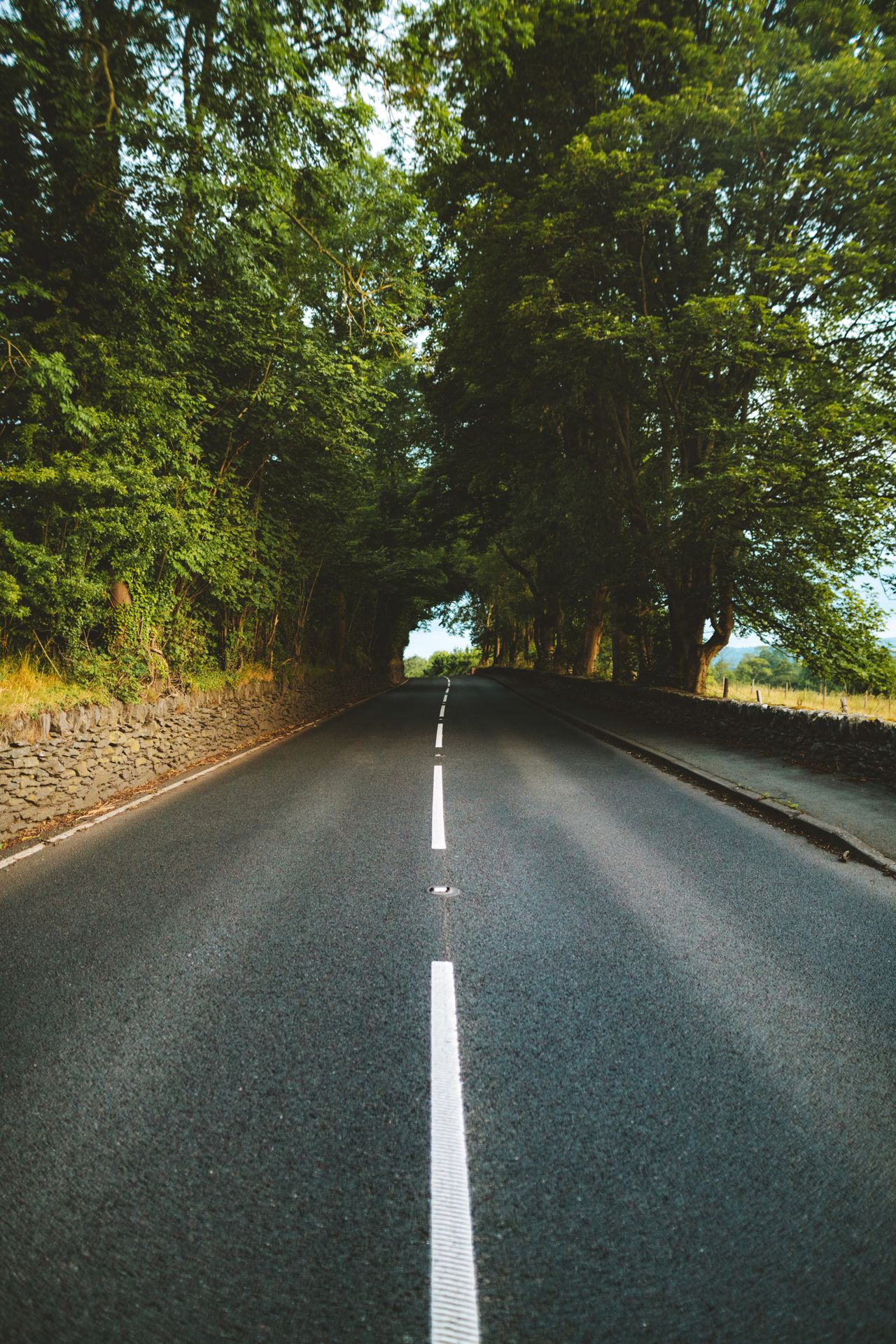
The Isle of Wight isn't like driving on the mainland. There are no motorways. Most A-roads are single carriageway. Country lanes are narrow enough that passing requires one driver to reverse to a passing place. And then there's the salt air — a constant presence that accelerates corrosion on any car that isn't properly maintained.
If you're buying a car for island life, these factors genuinely shape which vehicles hold up best.
What Makes IoW Driving Different?
| Factor | Impact on Car Choice |
|---|---|
| Short trips — most journeys under 15 miles | Avoid diesels; cold-start wear accumulates |
| Narrow lanes — Brighstone, Shorwell, Rookley, Godshill | Compact cars are less stressful |
| Coastal salt air | Accelerates rust; prioritise rustproofing or newer cars |
| Hilly terrain — Ventnor ridge, St Catherine's, Brading Down | Need a car that climbs without labouring |
| No motorway | High-speed cruising ability matters less than low-speed reliability |
| Short ferry distances — only for mainland trips | EV range anxiety almost irrelevant on-island |
Best Picks by Category
Best Small Car: Ford Fiesta / Vauxhall Corsa
The most common cars on the island for a reason. Both handle narrow lanes with ease, return good fuel economy on short runs, and parts are cheap and available anywhere on the island.
The Fiesta in particular has a well-earned reputation for handling feel — important on twisty IoW roads. Go for a 1.0 EcoBoost Fiesta or a 1.2 Corsa if you want reliability without the premium.
What to check: Both suffer from rust on the rear arches if not treated — particularly important on the island. Inspect carefully on older examples.
Best Family Car: Skoda Octavia Estate
If you need the space, the Octavia Estate gives you a practical boot without a large footprint. The diesel variants return excellent real-world economy even on short island trips. Skoda's build quality has been consistently strong for years, and parts are shared with VW Group so they're widely available.
What to check: DSG automatic gearboxes need regular oil changes — ask for service history evidence.
Best for Country Lanes: Suzuki Jimny / Dacia Duster
If you live rurally — Chale, Brighstone, Bembridge, Seaview — and regularly navigate unmade tracks or tight green lanes, a compact SUV earns its keep. The Jimny is genuinely go-anywhere capable. The Duster offers more interior space and a lower price point for similar capability.
What to check: Jimnys hold their value exceptionally well — watch out for overpriced examples. Dusters are more fairly priced on the used market.
Best for Reliability: Toyota Yaris / Honda Jazz
Both have exceptional long-term reliability records. For an island where you can't easily reach a specialist dealer, a car that simply doesn't break down is worth more than a flashier alternative. Both handle the short-trip urban use that dominates IoW driving well. The Jazz has more interior space than its size suggests.
What to check: Early Yaris models (pre-2014) can have issues with the EGR valve — check service history for any relevant work.
Best Electric Car: Renault Zoe / Nissan Leaf
For island driving specifically, an EV makes more sense than almost anywhere else in the UK. Journey distances are short, overnight charging at home covers daily use easily, and you won't face range anxiety on a 23-mile-wide island. Charging infrastructure is growing — Newport, Ryde, and Cowes all have public points.
The Zoe and Leaf are the most common EVs in the island's used market and represent good value. Our guide to electric cars on the Isle of Wight covers charging infrastructure in detail.
What to check: Battery health is key. Ask for a battery health report — a Leaf with degraded cells will have significantly reduced range.
Quick Comparison
| Category | Best Pick | Why |
|---|---|---|
| Small hatchback | Ford Fiesta 1.0 EcoBoost | Agile, economical, IoW-appropriate |
| Family estate | Skoda Octavia Estate | Space + VW reliability |
| Rural lanes / off-road | Dacia Duster | Capability + value |
| Maximum reliability | Toyota Yaris | Lowest breakdown rate |
| Electric | Nissan Leaf 40kWh | Range + value on island |
What to Avoid
Large luxury saloons. A BMW 7 Series or Mercedes S-Class is wasted on island roads and expensive to maintain without a nearby specialist.
Low-profile sports cars. IoW road surfaces vary significantly, and a car sitting 3cm off the ground will suffer on potholed lanes.
Diesel engines for short trips. Diesel particulate filters clog when the car never reaches operating temperature. If your typical journey is Newport to the school gate and back, a petrol or hybrid will be far more reliable and cheaper to maintain.
Frequently Asked Questions
What is the best car for Isle of Wight roads?
For most island buyers, the Ford Fiesta 1.0 EcoBoost is the best all-round choice: compact enough for narrow lanes, reliable, cheap to run, and available widely. For families needing more space, the Skoda Octavia Estate is the benchmark — large boot, VW Group reliability, and manageable dimensions. For rural IoW areas with rough tracks (Chale, Brighstone, Bembridge), the Dacia Duster offers genuine off-road ability at an accessible price. For the lowest possible running costs, the Toyota Yaris or Honda Jazz are the reliability picks.
Is it worth buying a diesel car on the Isle of Wight?
Generally no, unless you regularly cross to the mainland for longer drives. Most IoW journeys are short and stop-start — exactly the conditions that cause DPF (diesel particulate filter) problems. The filter needs sustained higher-speed driving to burn off accumulated soot; island town driving doesn't provide this. A blocked DPF costs £500–£1,500 to fix, erasing fuel savings. Petrol or hybrid is better for island-only driving. Only buy diesel if you do regular mainland trips via the ferry, where longer A-road driving allows the DPF to regenerate.
Are Isle of Wight cars more prone to rust?
Yes — coastal salt air accelerates corrosion on any car without adequate rustproofing. Island-kept cars at 10+ years old show more underbody rust than inland mainland equivalents of the same age. The areas to check on any IoW car: rear wheel arches (particularly Ford and Vauxhall products pre-2015), door sill seams, underside of the boot floor, and around the exhaust system. This applies to all brands — newer cars (post-2018) have better factory rustproofing and are less affected.
Do you need 4WD on the Isle of Wight?
For standard road driving, no. The island's public roads — even the rural lanes — don't require four-wheel drive in typical conditions. 4WD is only useful if you regularly access unmade tracks, fields, or camping grounds at agricultural sites. For that use case, the Dacia Duster (with 4WD option) or Suzuki Jimny are the relevant choices. For everyone else, a conventional front-wheel-drive car handles everything the island's roads require.
What size car is best for IoW narrow lanes?
Cars under 4.2m long and 1.8m wide are most comfortable on the island's narrower lanes. Superminis (Ford Fiesta, 4.04m) and city cars (Toyota Aygo, 3.46m) are easiest. Most standard hatchbacks (Golf, Astra, Focus) at 4.2–4.4m are fine with practice. Full-size saloons and large SUVs above 4.6m start to require more care and reversing at passing places. Width matters as much as length — cars above 1.9m wide (large SUVs, American imports) will find some island lanes uncomfortably narrow.
Browse current listings on WightWheels →
Related: Best used cars under £5,000 on the Isle of Wight · Electric car charging on the Isle of Wight · Salt air corrosion guide