The Isle of Wight is, in many ways, an ideal environment for electric car ownership. The island is 23 miles long and 13 miles wide. The longest realistic journey — Newport to The Needles — is around 18 miles. Even a Nissan Leaf from 2015 with a degraded battery can cover that without anxiety.
The argument for going electric on the island is strong. The argument against is largely infrastructure — but that's improving. Here's the current state of charging on the Isle of Wight.
Why EVs Work Well on the Island
- Short journey distances: Most IoW driving is under 20 miles. Even the lowest-range EVs handle this comfortably on a single charge
- No need for motorway charging: The mainland challenge of finding rapid chargers on long journeys simply doesn't apply here
- Home charging covers daily use: If you can charge overnight, you start every day with a full battery. For most island journeys, that's enough
The key question before buying an EV: Can you charge at home? If you own your home and have off-street parking, a home charger makes EV ownership straightforward. If you rely entirely on public charging, it's more complicated.
Public Charging on the Isle of Wight
Newport
Newport has the highest concentration of public chargers on the island. Key locations include:
- Newport Bus Station / Coppins Bridge area — several units operated by Pod Point and other networks
- Isle of Wight Council car parks — charging has been added to several town centre car parks
Ryde
- Ryde town centre car parks — multiple chargers available
- The Esplanade area — some units near the ferry terminal
Cowes
- Cowes town centre — chargers accessible near the waterfront and main car parks
Sandown and Shanklin
- Several units in the town centre car parks
Yarmouth
- Yarmouth ferry terminal area — a small number of public chargers, useful if arriving from Lymington by ferry
Check before you travel: The Zap-Map app (zap-map.com) shows live charger availability across the island. Public chargers can be in use or out of service — always have a backup plan.
Charging Networks on the Island
Different chargers operate under different network memberships. The main networks present on the Isle of Wight include:
| Network | Speed | Typical Cost (2026) | Payment |
|---|---|---|---|
| Pod Point | 7kW (slow) / 22kW (fast) | Free at some sites, ~40–50p/kWh at others | App or contactless |
| Osprey | 50kW+ (rapid) | ~65–75p/kWh | App or contactless |
| GeniePoint | 7kW / 22kW | ~40–50p/kWh | App |
| Council-operated | 7kW | Often free or low-cost | Varies |
The island has limited rapid charging (50kW+). Most public units are 7kW or 22kW — suitable for a few hours of top-up while you're parked, not for a quick 30-minute charge.
Home Charging
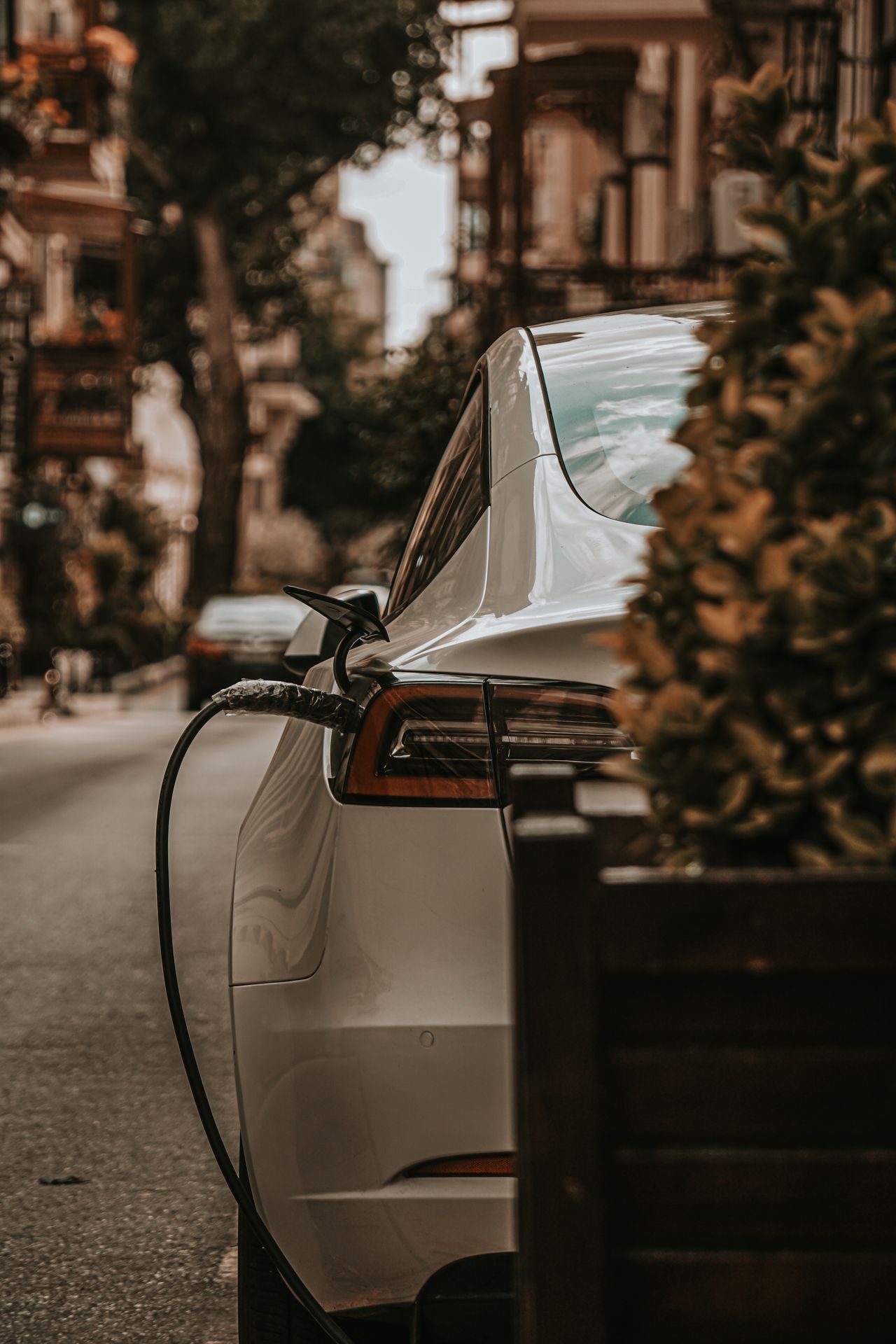
For most IoW EV owners, home charging is the primary method. Options:
Three-Pin Plug (Slow — 2.3kW)
Every EV comes with a three-pin charge cable. Plugged into a standard household socket, it adds around 8 miles of range per hour. For overnight charging (8 hours), that's roughly 64 miles — enough for typical daily IoW use but slow.
Dedicated Home Charger (Fast — 7kW)
A wall-mounted home charger unit, professionally installed, delivers approximately 25–30 miles of range per hour. A typical 40kWh battery (e.g., Nissan Leaf 40kWh) charges from empty in around 6 hours.
Cost to install: £700–£1,200 fitted, depending on your property's electrical setup Running cost: At around 25p/kWh (average home electricity rate), a full charge of 40kWh costs approximately £10
Best Used EVs for the Island
Given the limited rapid charging, high-range EVs matter less on the IoW than battery reliability:
| Model | Real-World Range | Battery to Check | Best Under |
|---|---|---|---|
| Nissan Leaf (2015–2017) | 70–90 miles | 24kWh — check health | £8,000 |
| Nissan Leaf (2018–2022) | 140–150 miles | 40kWh — excellent | £12,000 |
| Renault Zoe (2013–2019) | 80–100 miles | Check SOH report | £8,000 |
| BMW i3 (2014–2018) | 90–120 miles | Generally well-maintained | £10,000 |
Battery health check: Always ask for a battery State of Health (SOH) report before buying a used EV. A Nissan Leaf with 12 of 12 battery bars shows full health; 10 bars means roughly 20% capacity loss.
Ferry Considerations
If you own an EV and need to cross to the mainland:
- Most ferry operators accommodate EVs without issue
- Wightlink and Red Funnel both accept electric vehicles
- There is no special requirement to travel with the battery at a particular charge level for standard passenger/car ferries (the relevant restrictions apply to specific cargo and freight contexts)
- Charge to full before a mainland trip to be confident about your return journey
Is Now a Good Time to Go Electric on the IoW?
For the right buyer, yes. If you:
- Can charge at home overnight
- Drive primarily short island journeys
- Want lower running costs than petrol or diesel
...the IoW is well-suited to EV ownership. The public charging network is sufficient for backup use, and most island journeys are well within any EV's range.
Frequently Asked Questions
Is the Isle of Wight good for electric cars?
Yes — arguably better than many mainland locations. The island's maximum journey distance (end to end) is around 23 miles, which is well within any EV's range. There are no motorway journeys to worry about and no need for rapid charging on the go. If you can charge at home, the island is an excellent environment for EV ownership: low daily mileage, home charging covers everything, and public top-up chargers are available in Newport, Ryde, and Cowes for the rare occasions you need them.
How many electric car charging points are on the Isle of Wight?
The number grows regularly as the council and commercial networks expand. As of 2026, there are dozens of public charge points across the island, concentrated in Newport (the most), with additional units in Ryde, Cowes, Sandown, Shanklin, and Yarmouth. Most are 7kW slow chargers suitable for top-up charging while parked. Rapid chargers (50kW+) are limited — check Zap-Map for current live availability before relying on a specific unit.
Can you take an electric car on the Wightlink or Red Funnel ferry?
Yes — both Wightlink and Red Funnel carry electric vehicles on their standard car ferry services without any special requirements for everyday use. Book as a standard car. The older concern about EVs needing to be carried at restricted charge levels applied only to specific freight contexts, not to passenger car ferries. For a mainland trip, charge to full before leaving — this gives you maximum range for your mainland driving and return journey.
Is it worth buying an electric car on the Isle of Wight?
For the right buyer, yes. If you own your home and have off-street parking for a home charger, the case is strong: typical island driving (under 20 miles/day) is covered by overnight home charging, running costs are significantly lower than petrol or diesel, and public charging provides backup. If you rely entirely on public charging, the island's limited rapid charging infrastructure makes EV ownership more dependent on top-up habits. Running costs from home charging at 25p/kWh are approximately £500–£900/year for typical island mileage — considerably less than petrol equivalents.
What is the best used electric car to buy on the Isle of Wight?
The Nissan Leaf (40kWh, 2018–2022) is the top recommendation: sufficient real-world range (140–150 miles) for worry-free island use, wide availability used, and a strong local dealer network for servicing. The Renault Zoe is the alternative — similar range at a lower price but less common on the island. For buyers wanting lower entry price, the older Nissan Leaf (24kWh, 2015–2017) covers island distances easily at a much lower cost, though battery health varies and should be checked before purchase.
Browse electric cars on WightWheels →
Related: Electric cars for sale IoW · EV charging Chargy rollout 2026 · Should I bring my car to IoW?