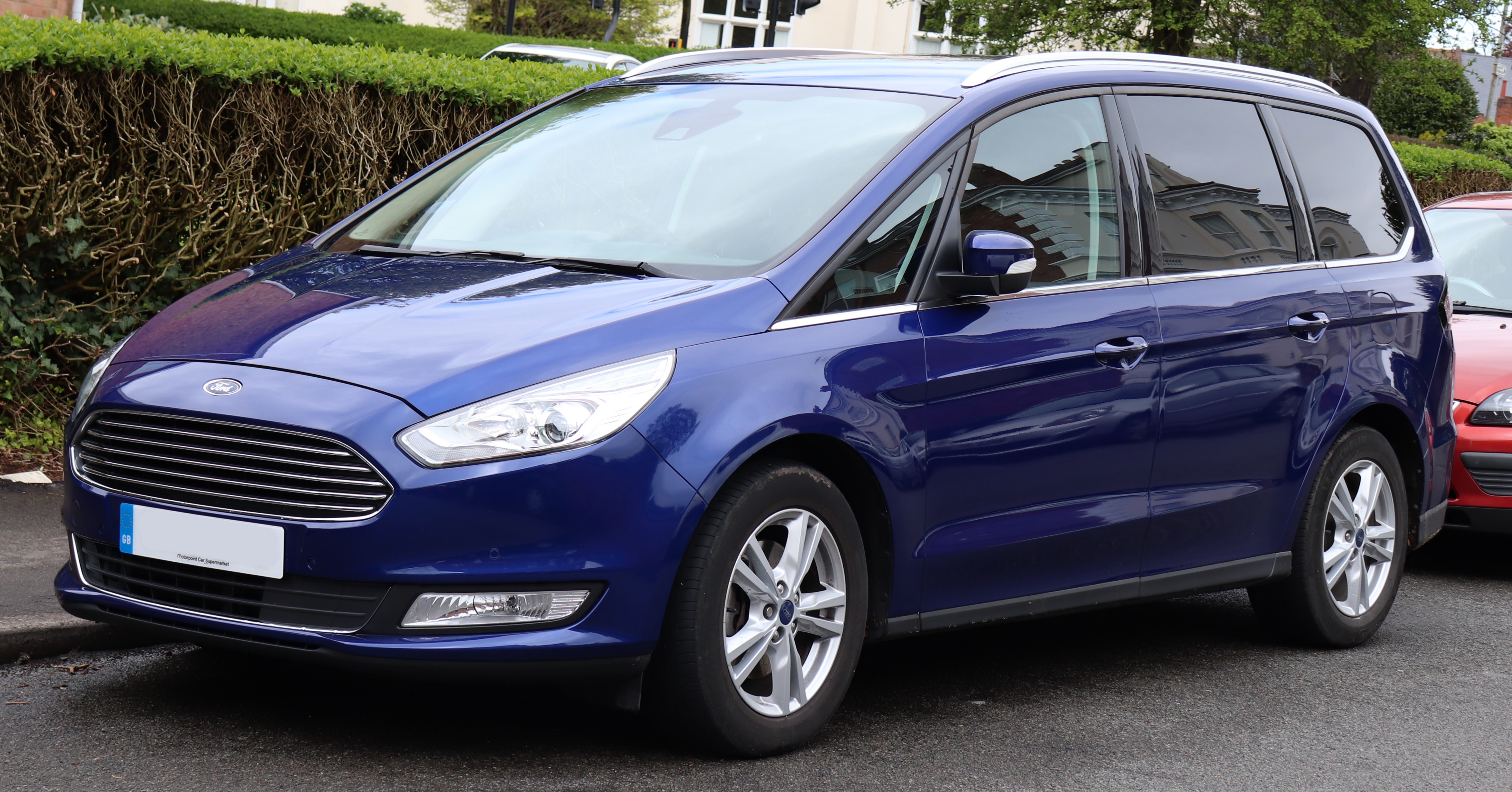
The Ford Galaxy is the premium option in the Ford seven-seat MPV lineup — larger and better-specified than the S-MAX, with proper sliding rear doors rather than conventional hinged ones. For Isle of Wight families who regularly carry six or seven people, or who need to load children into rear car seats without straining across a wide door opening, the Galaxy's sliding doors are a genuine functional advantage. In the island's tighter car parks — particularly older facilities in Newport and Ryde — being able to open the rear door fully without worrying about hitting the car next to you is a real benefit.
Which Galaxy to Buy
The current Galaxy is the third generation (2015–present), built on Ford's CD4 platform shared with the Mondeo. It's a significant step up from the previous generation in interior quality and technology.
Third-generation Galaxy (2015–present): The right generation to buy. Modern interior, SYNC 3 infotainment, better safety, and Ford's more efficient EcoBoost and TDCi engines. Available from around £10,000 used. The seven-seat layout is standard — all seats are properly sized, including the rear row.
Second-generation Galaxy (2006–2015): Still a practical car but now showing its age. The older 2.0 TDCi diesel is reliable but the interior quality and features feel dated. Only worth considering for buyers on a very tight budget who need seven seats above all else.
Which Engine?
2.0 TDCi (150 or 180bhp, diesel): The most common engine choice in the Galaxy, and the one that makes most sense for a large MPV — the torque helps move the weight comfortably. For IoW buyers who do regular mainland ferry trips, the 2.0 TDCi's economy (45–50mpg real-world) makes sense. For purely island driving, the DPF concern applies — short trips and town driving can cause the filter to block. The 150bhp is the most widely available; the 180bhp adds useful power but isn't necessary.
2.0 EcoBoost (240bhp, petrol): A turbocharged petrol option on higher-spec models. Better suited to island driving than the diesel if you don't do regular mainland runs — no DPF to worry about. Economy is lower (28–35mpg) but the lack of diesel maintenance complexity is worthwhile for short-trip island use.
1.5 EcoBoost (165bhp, petrol): Available on some models. Lighter engine, better economy than the 2.0 EcoBoost, but noticeably less torque when the Galaxy is loaded with seven passengers and luggage.
Galaxy vs Ford S-MAX: What's the Difference?
| Ford Galaxy | Ford S-MAX | |
|---|---|---|
| Body style | Tall MPV, sliding rear doors | Lower, more sporty MPV |
| Seven seats | Standard | Standard |
| Rear door type | Sliding | Conventional hinged |
| Boot (all seats up) | 300 litres | 285 litres |
| Driving experience | More comfortable | More car-like |
| Island car park benefit | Sliding doors — significant | Less useful in tight spaces |
| Price range (similar year) | Similar | Similar |
For IoW use, the Galaxy's sliding doors are a genuine advantage in tight spaces. If a more engaging drive matters more than the doors, the S-MAX is the choice.
Known Issues to Check
DPF (2.0 TDCi diesel): The most common failure on used Galaxy diesels. The DPF requires regular longer runs to regenerate — not typical of island driving. A blocked DPF costs £500–£1,500 to fix. Ask about driving patterns and check for any warning lights in the infotainment system.
Sliding door mechanism: The electric sliding rear doors can develop faults on higher-mileage examples. Test both rear doors at viewing — open and close several times. A faulty mechanism is expensive to repair.
PowerShift (dual-clutch) gearbox: The 6-speed PowerShift automatic has a known reputation for low-speed hesitation and occasional shudder. This gearbox was fitted to some Galaxy variants. Test for smooth operation pulling away from standstill, particularly at very slow speeds.
Suspension wear: A heavy MPV works its suspension hard. Check for clunks over speed bumps, particularly from the front struts and rear beam.
IoW Buying Tips
Galaxy supply on the island is lower than mainstream hatchbacks or crossovers — expect to search for the right example. Fleet and school-run histories are common on Galaxies (they were a popular company car and taxi in the MPV segment), so check MOT history for mileage consistency and service records carefully.
The Galaxy's size (4.81m) means it needs more space to manoeuvre than typical island cars. Most standard UK car parks accommodate it without difficulty, but older sites in Newport and some ferry port car parks benefit from the sliding doors.
Check MOT history at gov.uk/check-mot-history and run an HPI check. A DPF-related check at a Ford specialist before purchase is worthwhile on any diesel example.
Budget Guide
| Budget | What to Expect |
|---|---|
| Under £10,000 | Gen 3, 2015–2016, 2.0 TDCi, 70,000–110,000 miles |
| £10,000–£15,000 | Gen 3, 2016–2018, 2.0 TDCi 150 or 180bhp, 40,000–80,000 miles |
| £15,000–£20,000 | Gen 3, 2018–2020, lower mileage, Titanium trim |
| £20,000+ | Gen 3 late, 2020–2022, low mileage |
Frequently Asked Questions
Is the Ford Galaxy a good family car?
Yes — for larger families who regularly carry six or seven people, the Galaxy is one of the best choices in the used market. All seven seats are genuine adult-sized, the interior is well-finished for its class, and the sliding rear doors make it significantly more practical in car parks. Running costs are higher than a five-seat family car, but the carrying capacity justifies this for families who need it.
What is the difference between the Ford Galaxy and Ford S-MAX?
The Galaxy is the larger, more upright MPV with sliding rear doors. The S-MAX is lower, more sporty-looking, with conventional hinged rear doors. Both are seven-seaters and share similar dimensions (the Galaxy is marginally longer). The S-MAX drives more like a hatchback; the Galaxy prioritises space and sliding-door functionality. For IoW tight car parks, the Galaxy's sliding doors are a real advantage.
Is the Ford Galaxy reliable?
The third-generation Galaxy (2015+) is broadly reliable, but has specific known issues to check. The 2.0 TDCi diesel has DPF concerns for island-style short-trip driving. The PowerShift dual-clutch automatic has a shudder issue in some examples. The electric sliding doors can develop faults on higher-mileage cars. With these checks done, a Galaxy with documented service history is a dependable long-term family vehicle.
Should I get a diesel or petrol Ford Galaxy on the Isle of Wight?
For primarily island driving with only occasional mainland trips, the 2.0 EcoBoost petrol is the safer choice — no DPF to worry about, no need for regular long runs to regenerate the filter. The diesel makes better financial sense if you regularly cross to the mainland — the improved economy on ferry and mainland A-road driving adds up over time. A Galaxy that does mostly short island journeys will stress a diesel's DPF system.
How practical is a Galaxy for IoW family life?
Very practical. The seven-seat layout handles a family with three children comfortably — with enough boot space (300 litres with all seats up, 1,200+ with rear seats stowed). The sliding doors make loading car seats and getting children in and out far easier than conventional doors, particularly in tighter island car parks. For ferry trips with a full family, the Galaxy is hard to beat.
Browse Ford Galaxys for sale on the Isle of Wight →
Related: Ford S-Max guide · Best family cars guide · Used car inspection checklist