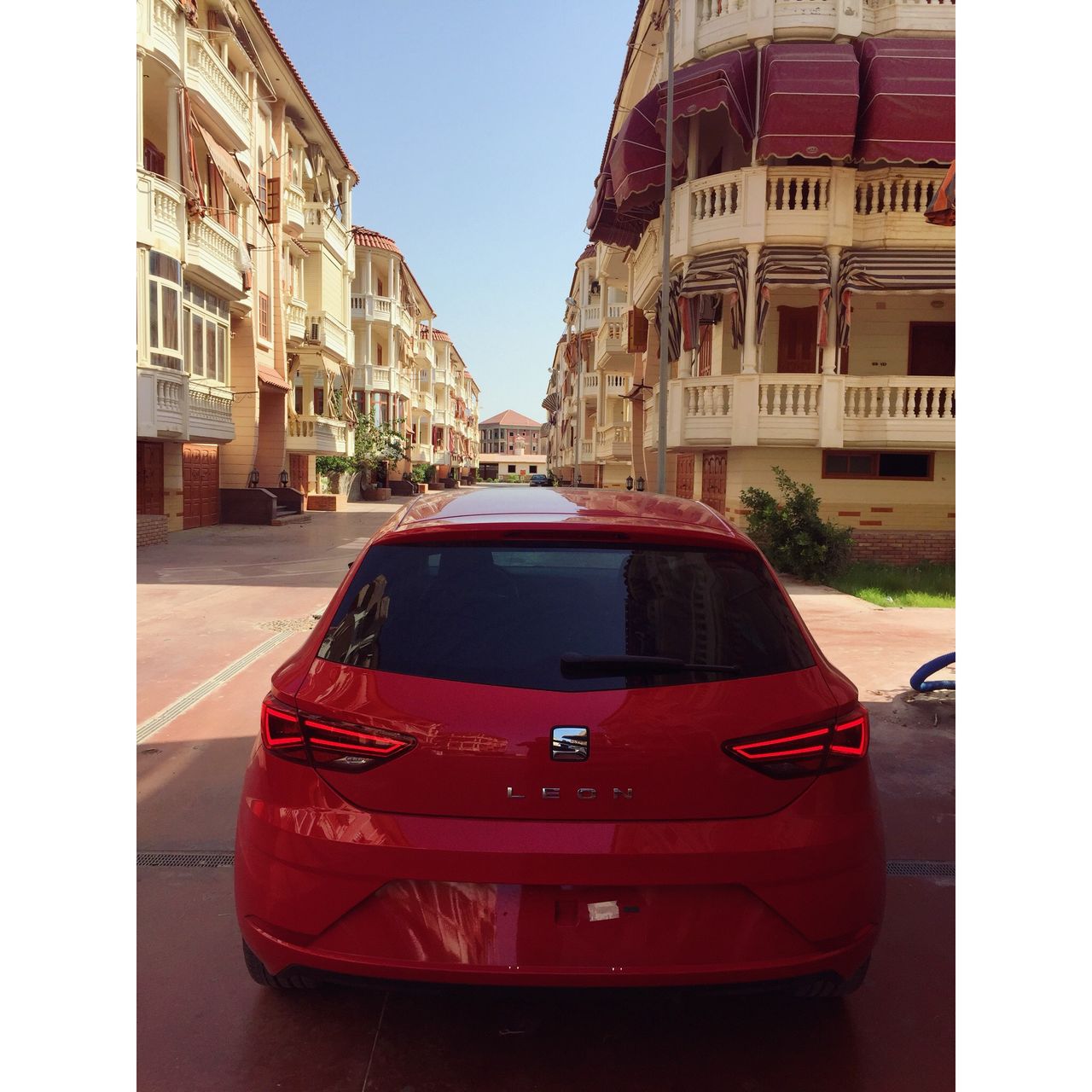
The SEAT Leon is one of the best-value compact hatchbacks on the used market. It shares the Volkswagen Group's MQB platform with the Golf Mk7 and Mk8 — the same fundamental engineering, the same suspension geometry, and many of the same engines — but sells for considerably less because of its Spanish badge. On the Isle of Wight, where narrow lanes and rural roads reward a car with good handling and a sensible footprint, the Leon makes an excellent everyday choice.
Browse SEAT Leon listings on WightWheels →
Mk3 vs Mk4 — Which to Buy?
Mk3 (2012–2020): Built on the MQB platform from launch, the Mk3 Leon is the used sweet spot. Available as a 5-door hatchback (SC in the three-door version, discontinued 2018) and estate (ST). The 1.0 TSI 115bhp petrol is the best engine for island use: economical, punchy enough, and DPF-free. The 1.4 TSI with cylinder deactivation is another good choice. Facelifted in 2016 with revised styling and LED headlights.
Mk4 (2020–present): A more significant redesign with a cleaner interior, larger digital screen, and improved safety tech. Shares even more components with the Golf Mk8. Used prices are still relatively high on this generation, but earlier examples are starting to appear at accessible prices. Worth considering if budget allows — it's a genuinely better car than the Mk3 in refinement and tech.
Why the Leon Works on the IoW
Right size for island roads: At 4.26m long (hatch), the Leon is easier to place on the island's narrower lanes than larger SUVs. It feels composed on winding B-roads and isn't intimidating to park in Newport or Cowes town centres.
VW Group reliability: The Leon draws from the same parts bin as the Golf, Audi A3, and Skoda Octavia — all well-supported models with a wide parts and service network. Any garage comfortable with Volkswagen Group cars is comfortable with a Leon.
Lower purchase price than equivalent Golf: A 2018 Leon SE in 1.0 TSI typically costs £2,000–£3,000 less than an equivalent Golf at the same mileage. The engineering underneath is nearly identical.
Estate option for island practicality: The Leon ST (estate) has a 587-litre boot — more than a Focus Estate — and is well worth considering for families who prioritise load space.
Engines to Choose on the IoW
1.0 TSI (2017+): The best all-round choice for island use. 115bhp three-cylinder turbocharged petrol. 45–55mpg in real-world use. No DPF to worry about with predominantly local driving. Economical, surprisingly smooth, and plenty of torque in the mid-range.
1.4 TSI (2012–2018): The 125bhp version is a strong choice. Some 1.4 TSI units have an ACT (cylinder deactivation) system that shuts off two cylinders at cruise — useful for mixed driving. Check the timing chain service history.
1.5 TSI (2019+): Updated petrol with a bit more refinement than the 1.4. Good fuel economy and smooth delivery. The choice on later Mk3 and early Mk4.
1.6 TDI / 2.0 TDI: Only worthwhile if you do regular mainland ferry runs or commute significant distances. The diesel's DPF can cause issues on short island journeys. If mileage is low and mostly local, stick with the petrol.
FR Sport 1.8 TSI / 2.0 TSI Cupra: The performance versions are enjoyable on the island's roads, but the Cupra and high-output FR models add insurance costs and are often higher mileage. Only consider if you specifically want a sporty drive.
What to Check
Timing chain (1.4 TSI, pre-2016): Some early 1.4 TSI units had timing chain tensioner issues. Ask about service history and whether the chain has been inspected or replaced.
Carbon build-up (direct injection engines): All TSI engines use direct injection — over time, carbon can accumulate on intake valves. A walnut blast service every 60,000 miles addresses this. Ask if it's been done.
DSG gearbox service: If buying an automatic Leon with a DSG dual-clutch gearbox, check the gearbox oil has been changed every 40,000 miles. Neglected DSGs can be expensive to repair.
Corrosion on early examples: Pre-2015 Leons can show surface rust around the rear wheel arches and sills if previously used in coastal areas. Island cars warrant extra attention here.
FR suspension wear: FR models have sportier suspension settings — check for knocks or clunks over bumps, which can indicate worn wishbone bushes.
Trim Levels
| Trim | Key Features |
|---|---|
| S | Basic spec — good for budget buyers |
| SE | Air con, alloys, cruise control — the used sweet spot |
| SE Technology | Sat-nav, larger infotainment screen, wireless charging on some |
| FR | Sporty suspension, larger alloys, sports seats — FR is the most common sporty version |
| Xcellence | Premium trim with leather, heated seats |
| Cupra | Hot hatch — 280bhp+, track-ready |
SE or SE Technology is the used sweet spot for most IoW buyers — well equipped without the higher insurance of the FR or Cupra.
Budget Guide
| Budget | What to Expect |
|---|---|
| Under £5,000 | Mk3 SE, 2012–2015, 1.4 or 1.6 TDI |
| £5,000–£9,000 | Mk3, 2016–2018, 1.0 TSI or 1.6 TDI, post-facelift |
| £9,000–£13,000 | Mk3 late, 2018–2020, 1.5 TSI or 2.0 TDI SE Technology |
| £13,000–£18,000 | Mk4, 2020–2022, 1.5 TSI, lower mileage |
Frequently Asked Questions
Is the SEAT Leon as reliable as a VW Golf? Mechanically yes — the Mk3 and Mk4 Leon share the MQB platform with the Golf Mk7 and Mk8, including the same EA211 and EA888 engine families and DSG gearbox options. Reliability surveys rate both in a similar band. The practical difference is purchase price: a Leon typically costs £2,000–£3,000 less than an equivalent Golf at the same age and mileage. For an IoW buyer who wants VW Group quality without the Golf badge premium, the Leon is a strong rational choice.
Which SEAT Leon is best for the Isle of Wight? The Mk3 (2016–2020 post-facelift) 1.0 TSI SE or SE Technology is the best value IoW choice. The 1.0 TSI 115bhp petrol is the key engine — no DPF to worry about on short island journeys, 45–55mpg real-world, and smooth enough for a compact hatchback. SE Technology adds sat-nav and a larger screen for the driving conditions on unmarked lanes. The estate (Leon ST) is worth considering if boot space matters — 587 litres is significantly more than the hatch.
Should I buy a petrol or diesel SEAT Leon for island driving? Petrol — particularly for predominantly local driving. The 1.6 TDI and 2.0 TDI are solid engines but the DPF can struggle to regenerate on the short journeys that make up most IoW driving. DPF issues are one of the most common and expensive faults on locally-driven island diesels. The 1.0 TSI or 1.5 TSI petrol avoids this entirely. Only choose diesel if you regularly cross to the mainland and do extended motorway runs where the economy advantage makes sense.
What should I check when buying a used SEAT Leon? On 1.4 TSI pre-2016: timing chain tensioner on some early units — check service history. On all TSI engines: ask whether a walnut blast (intake valve cleaning for carbon build-up) has been carried out on high-mileage examples (common from 60,000 miles). On DSG automatics: confirm gearbox oil was changed at 40,000 miles — neglected DSGs develop judder. On FR Sport models: check for worn wishbone bushes causing knocks over bumps. On all IoW examples: inspect rear wheel arches and sills on pre-2015 cars for corrosion.
How much does a SEAT Leon cost on the Isle of Wight? Under £5,000 buys a Mk3 (2012–2015) SE in 1.4 or 1.6 TDI. £5,000–£9,000 reaches a post-facelift Mk3 (2016–2018) 1.0 TSI or 1.6 TDI. £9,000–£13,000 gets a late Mk3 (2018–2020) 1.5 TSI in SE Technology or FR spec. £13,000–£18,000 reaches early Mk4 (2020–2022) 1.5 TSI examples. In all cases, approximately £2,000–£3,000 less than an equivalent Golf.
Browse all hatchbacks for sale on the Isle of Wight →
Related: VW Golf IoW guide · Ford Focus IoW guide · Kia Ceed IoW guide