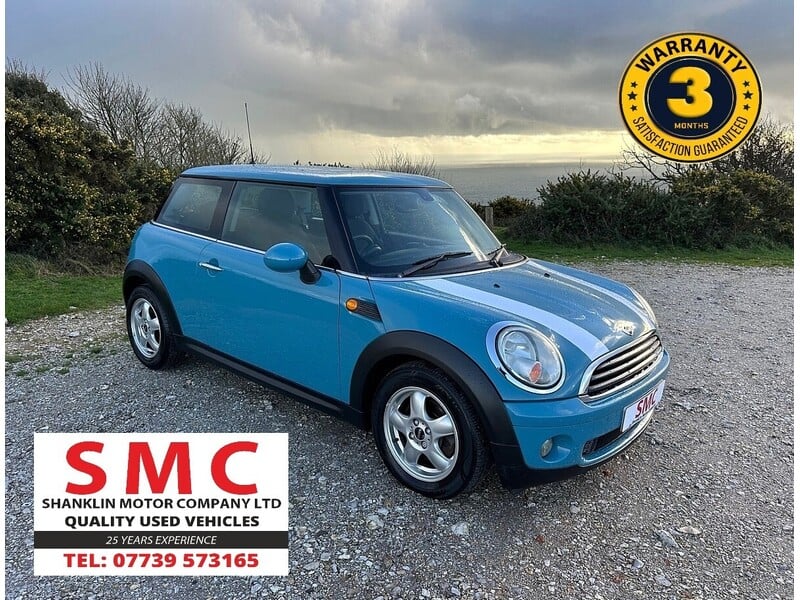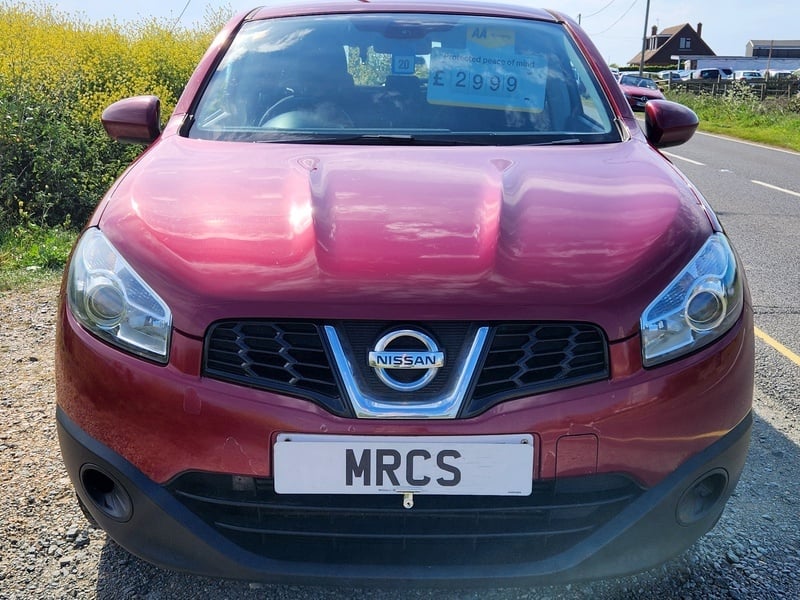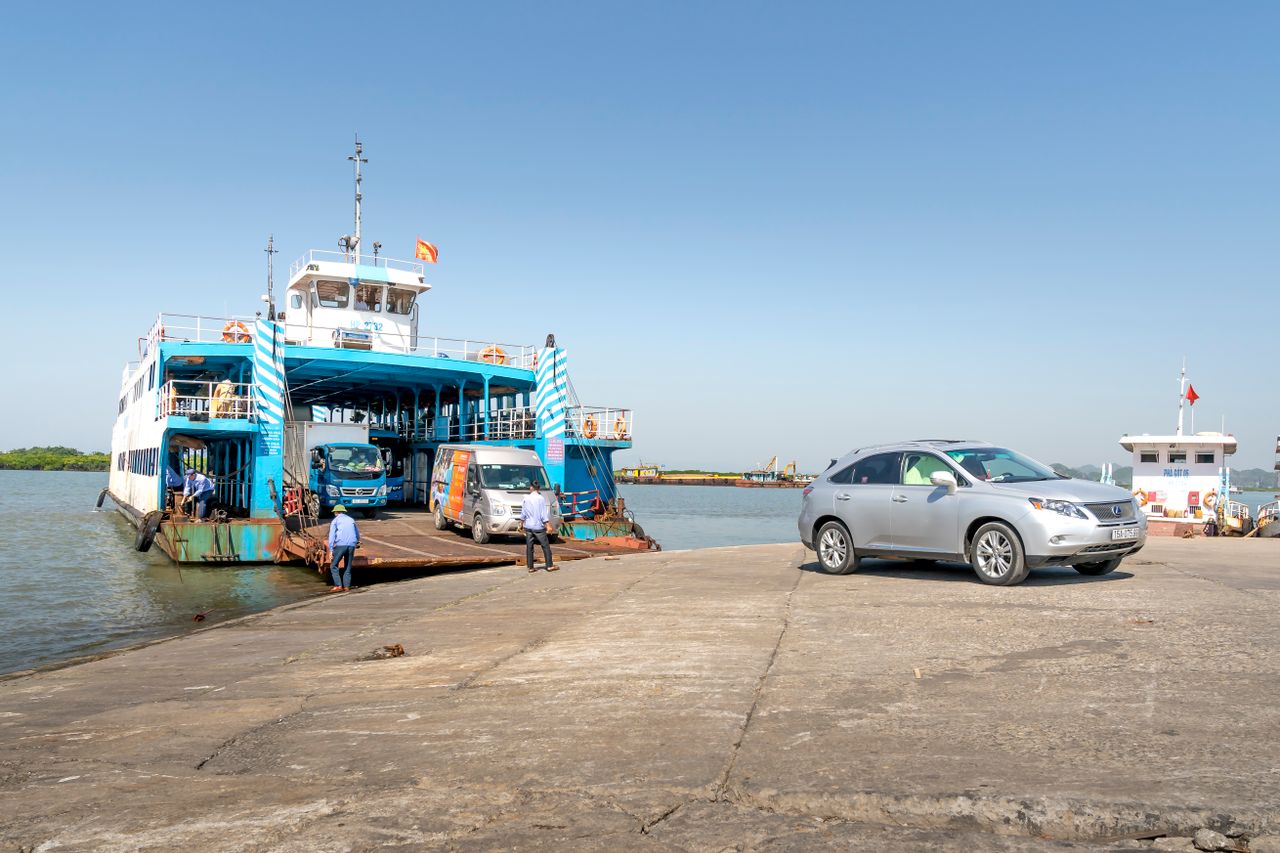
Mainland cars can be significantly cheaper than the same model on the island. A £6,000 Fiesta on the mainland might fetch £6,800 on the Isle of Wight — the difference is roughly enough to cover a ferry trip and leave money in your pocket. But the logistics of a mainland purchase aren't trivial. Here's how to do it properly.
Step 1: Budget the True Cost
Before getting excited about mainland prices, add up the real cost of the trip.
| Cost | Estimate |
|---|---|
| Ferry (your car, Portsmouth–Fishbourne, off-peak) | £40–50 |
| Ferry (collected car, return to IoW) | £40–88 (depends on peak/off-peak) |
| Your travel to/from ferry terminal | £10–30 |
| Any overnight stay if distance requires it | £60–90 |
| Pre-purchase HPI check | £15–25 |
| Fuel for test drive and ferry journey | £20–40 |
| Total additional cost | ~£125–280 |
A car that's £400 cheaper on the mainland nets you roughly £120–275 in savings after expenses — worthwhile on a higher-value purchase, marginal on a cheap runaround.
Step 2: Do Remote Research Before You Travel
Don't visit in person until you're confident the car is worth it.
Check MOT history first: gov.uk/check-mot-history. Look for recurring issues, mileage consistency, and any major advisories.
Run an HPI check: Confirms the car isn't stolen, has no outstanding finance, and hasn't been written off. Around £15–25 online through HPI, AA, RAC, or similar.
Ask for photos: Request specific photos — underbody, wheel arches, engine bay, dashboard with mileage showing, any damage. A legitimate seller will send them.
Video call viewing: For a more expensive car, many sellers will do a WhatsApp video call to walk around the car with you before you commit to the trip.
Step 3: Arrange Your Travel
Book your return ferry crossing before you go — for your collected car. This is the most important step many people miss.
If you turn up at the ferry terminal with a just-purchased car and no booking, you may wait hours for an available slot, especially in summer. Book a slot far enough ahead to allow for delays.
Route options:
- Portsmouth–Fishbourne (Wightlink): most common, runs frequently, takes 45 minutes
- Lymington–Yarmouth (Wightlink): scenic, less frequent — check schedule before relying on it
- Southampton–East Cowes (Red Funnel): useful if the seller is near Southampton
Getting to the mainland: Travel as a foot passenger to save money — you'll return with the new car.
Step 4: The Viewing and Test Drive
Follow the full used car inspection process. At minimum:
- Full exterior walk-round in daylight
- Under the bonnet: oil level and colour, coolant level, battery terminals
- Under the car: sill check, visible corrosion
- Interior: all electrics, all windows, seatbelts, air con
- Test drive: at least 20 minutes including both slow roads and faster roads
- Listen for knocking, rattling, or anything unusual at speed
Bring someone with you if possible. A second pair of eyes catches things you miss.
Step 5: Completing the Purchase
Payment: Bank transfer is safest for amounts over a few hundred pounds. Confirm it has cleared in your banking app before handing over your keys — or rather, before accepting theirs.
Documents to get:
- V5C logbook (original, not a copy) — or confirmation it's been lost and you'll need a V62
- MOT certificate
- Service history (stamped book, receipts, or dealer records)
- Any receipts for recent work
Insurance: Make sure you're insured to drive the car before you leave. You can add the car to your existing policy temporarily, or take out a short-term policy. Don't drive without it.
Tax: Check the car is taxed before driving it. You're responsible from the moment you take ownership.
Step 6: The Ferry Crossing
Arrive early. Give yourself at least 45 minutes before your booked crossing. Ferry check-in lanes can be slow.
What to expect: You'll queue in a holding area with other vehicles, then drive onto the ferry deck. You stay in or beside the car during loading, then go upstairs to the passenger deck once the ferry is underway.
Height restrictions: Standard cars are fine on all routes. Modified vehicles with lift kits, roof racks with cargo, or roof tents should check height limits with the operator before booking.
Fuel: Check you have enough fuel for the crossing and to get home once you're on the island. You can't refuel during the crossing.
Common Problems to Avoid
Seller who won't wait for your ferry slot. If a seller is pressuring you to complete quickly before your booked crossing, that's a red flag. Legitimate sellers understand the island logistics.
Discovering problems on the test drive with no time to back out. Plan to view the car with enough time before your ferry to walk away if needed.
No pre-arranged insurance. Have your insurer's number ready, or have a temporary policy sorted before you travel.
Forgetting to notify DVLA. Complete the V5C transfer (Section 6 on a paper V5C or online at gov.uk) the same day you buy.
Is It Worth It?
For cars over £5,000, a mainland trip almost always pencils out. The savings on a £10,000+ car can be £500–1,500 versus equivalent island stock — enough to offset all travel costs and more.
For cheaper cars under £3,000, the maths is tighter. It often makes more sense to buy locally.
What If Something Goes Wrong?
Car breaks down on the way to the ferry: This is the scenario most people don't plan for. Make sure you have breakdown cover that includes the vehicle you're collecting — your existing policy may not automatically cover a car you've just purchased. RAC and AA both offer temporary cover you can buy on the day.
Seller backs out at last minute: If you've already booked the ferry, Wightlink and Red Funnel tickets are generally transferable to another crossing on the same day if you call them directly. Keep the booking reference handy.
Car doesn't pass your inspection: Walk away. You're not obligated to buy because you made the trip. The ferry cost is a sunk cost — losing £80–150 is far cheaper than buying a problem car.
Missed your booked crossing: Call the ferry operator immediately. Most will transfer you to the next available crossing if you contact them before the departure time.
Frequently Asked Questions
How much does it cost to ferry a car to the Isle of Wight?
On the Wightlink Portsmouth–Fishbourne route, a standard car return costs approximately £80–176 depending on peak/off-peak timing and advance booking. Red Funnel (Southampton–East Cowes) is similarly priced. For a mainland car purchase, you typically need one-way transport for your new car — around £40–88 — plus your own outbound travel as a foot passenger.
Can you take any car on the Isle of Wight ferry?
Yes — all standard road cars are accepted. Height restrictions apply: Wightlink's Portsmouth–Fishbourne ferries accept vehicles up to approximately 1.8–2.0m height for most sailings, with higher-clearance ferries on some routes. Vehicles with roof racks loaded with cargo or roof tents should check current height limits with the operator before booking. Oversize vehicles and vehicles carrying certain hazardous goods require advance arrangements.
Is it worth buying a car on the mainland and ferrying it to the Isle of Wight?
For cars priced above £5,000, yes — typically. The island premium on common hatchbacks and family cars runs at 5–15%, which on a £8,000 car is £400–1,200. Against a return ferry cost of roughly £130–200 all-in (including your outbound travel), the saving is meaningful. For cars under £3,000, the ferry cost eats into the saving significantly and a local purchase often makes more sense.
Do you need to book the ferry in advance to bring a car to the Isle of Wight?
Advance booking is strongly recommended, especially in summer. Walk-on vehicle capacity on peak crossings fills quickly, and arriving at the terminal unbooked risks a wait of several hours. Wightlink and Red Funnel both allow online booking. Book your return crossing before you travel to the mainland, not after you've bought the car.
What documents do I need to drive a newly bought car onto the Isle of Wight ferry?
You need: valid insurance for the vehicle (either added to your existing policy or a temporary single-day policy), a valid driving licence, and the car's V5C logbook. The ferry operator doesn't check these documents, but the police do — driving uninsured or with an untaxed vehicle is an offence from the moment you take ownership. Check the vehicle is taxed before you drive it.
Browse local island cars on WightWheels →
Related: Island premium — are IoW cars more expensive? · Pre-purchase inspection checklist · IoW resident ferry discount guide