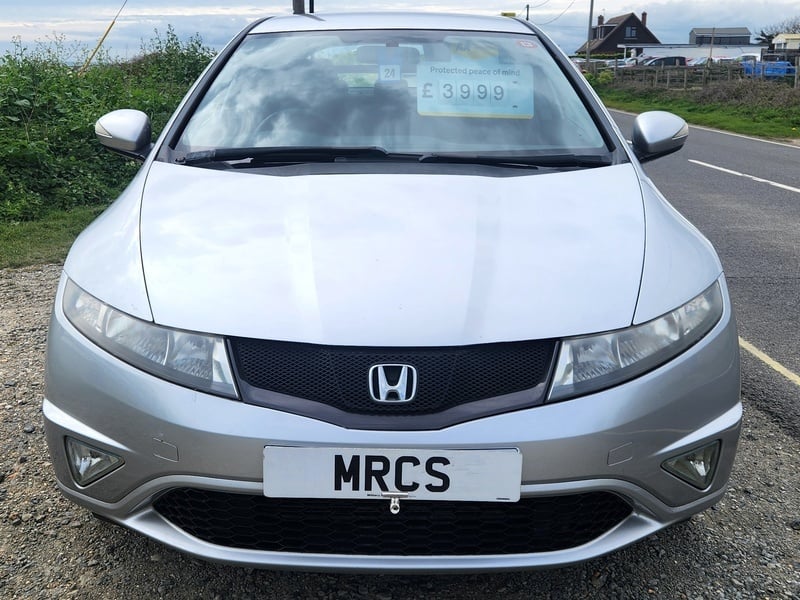
The Honda CR-V has been one of the best family SUVs on the market since it launched in the 1990s. It offers genuine practicality, a proven reliability record, and the kind of build quality that holds up well over time. For Isle of Wight buyers, the CR-V's high ground clearance, comfortable ride on country lanes, and spacious interior make it a particularly sensible choice.
Browse Honda CR-V listings on the Isle of Wight →
Which Generation to Buy
Third Generation (2006–2012) The most affordable way into a CR-V. Powered by either a 2.0-litre i-VTEC petrol or a 2.2-litre i-DTEC diesel, these are simple, easy-to-work-on cars with a strong reliability record. The petrol is the pick for IoW buyers who don't cover high mileage — it avoids DPF complications and is cheap to service. The diesel suits higher-mileage use but the DPF needs regular runs above 50mph, which are less common on the island.
Fourth Generation (2012–2018) More refined than the third gen, with a cleaner interior and better motorway manners. Available in 1.6 i-DTEC diesel and 2.0 i-VTEC petrol. The diesel is efficient but DPF-sensitive at low speeds — again, the petrol is safer for island use. Watch the panoramic sunroof version carefully; the glass panel can cause rear wind noise and occasional seal issues over time.
Fifth Generation (2018–present) The first CR-V to get a petrol hybrid (1.5T or 2.0 hybrid) in the UK. The hybrid version is well suited to IoW driving — short trips with gentle speeds let the electric motor take over, cutting fuel use significantly. These are pricier secondhand but still represent strong value against rival SUVs.
Why the CR-V Works Well on the Isle of Wight
- Ground clearance: The CR-V's higher ride is appreciated on narrower rural IoW lanes where road surfaces can be uneven, especially in winter
- Practicality: Families living on the island who need to fit bikes, beach gear, dogs, and luggage in one vehicle will appreciate the CR-V's boot
- Reliability: Honda's engines — particularly the petrol units — are well-known for longevity. A well-maintained CR-V can reach 200,000 miles without major mechanical issues
- Petrol suits island life: The lower annual mileage typical of IoW residents (4,000–9,000 miles per year) makes petrol the sensible choice over diesel, avoiding DPF issues from short runs
Common Issues to Check
- Timing chain (2.0 petrol, all generations): Honda's i-VTEC petrol engines are generally robust, but check for any rattling on cold start — a sign of chain stretch that needs attention
- DPF (2.2 and 1.6 diesel): Diesels used for short IoW trips may have blocked or regenerating DPFs. Ask about service history and any DPF warning lights
- Rear differential (AWD models): The AWD system uses a rear diff that needs fluid changes every 30,000 miles. Check if it has been done — a whining noise from the rear diff is a warning sign
- Rust (older generations): Pre-2012 CR-Vs can develop rust around the rear wheel arches and on sills. As with all IoW vehicles, salt air exposure accelerates this — inspect carefully
- Air conditioning: Common on high-mileage examples. Check the air con works and cools properly
What to Pay on the Isle of Wight
- Third gen (2006–2012): £4,000–£8,500 for a clean, serviced example
- Fourth gen (2012–2018): £7,000–£14,000
- Fifth gen hybrid (2018+): £16,000–£24,000
IoW cars tend to be lower mileage than mainland equivalents, but inspect bodywork carefully for salt air corrosion — particularly on older examples.
Salt Air Inspection
Inspect these areas on any IoW example:
- Rear wheel arch lips — common rust start point on older CR-Vs
- Sills and sill ends
- Around the tailgate aperture
- Underneath the car, particularly the rear subframe area
Read our full salt air corrosion guide before buying any car on the island.
Frequently Asked Questions
What is the best Honda CR-V for the Isle of Wight? The fifth-generation CR-V hybrid (2018+) is the best version for IoW buyers who can stretch the budget — the self-charging hybrid's regenerative braking and electric-first operation at low speeds delivers genuine fuel economy benefits on the island's stop-start roads. For buyers on a tighter budget, a fourth-generation (2012–2018) with the 2.0 i-VTEC petrol is the best value pick: petrol avoids DPF complications, Honda's engine is extremely durable, and prices represent strong secondhand value.
Should I buy a petrol or diesel CR-V for IoW use? Petrol — for most IoW buyers. The 2.2 and 1.6 i-DTEC diesels are excellent engines but their DPF requires sustained higher-speed running to regenerate. The island's short-trip, sub-30mph driving is exactly the wrong environment for diesel particulate filters. The petrol (2.0 i-VTEC) is simpler, requires less attention, and suits island mileage patterns. Diesel only makes sense if you regularly drive at motorway speeds after catching the Wightlink or Hovercraft.
Is the CR-V hybrid worth it on the Isle of Wight? Yes — it's a very good fit. The hybrid's regenerative braking and low-speed electric operation both happen constantly on IoW roads: lifting off for junctions, slowing through Newport, and idling in Cowes. Real-world fuel economy of 40–50mpg is achievable on island routes — noticeably better than the petrol alone. Self-charging means no plug-in requirement, which suits buyers without home charging.
What should I check when buying a Honda CR-V from the IoW? On third and fourth gen models, inspect rear wheel arches and sills for salt air corrosion — worth checking carefully on cars that have spent their whole life on the island. On AWD models, ask about rear differential fluid change history (every 30,000 miles). On diesel versions, ask specifically about DPF history and any warning lights. Check the air conditioning works and cools properly — common on high-mileage examples.
How much does a Honda CR-V cost on the Isle of Wight? Third gen (2006–2012) petrol: £4,000–£8,500. Fourth gen (2012–2018): £7,000–£14,000. Fifth gen hybrid (2018+): £16,000–£24,000. Island examples typically have lower mileage than mainland equivalents — verify with service history. Pricing broadly tracks mainland values; the CR-V is popular nationally and doesn't command a significant island premium.
Browse Honda CR-V listings on the Isle of Wight →
Related: Honda Jazz guide · Toyota RAV4 guide · Nissan Qashqai guide