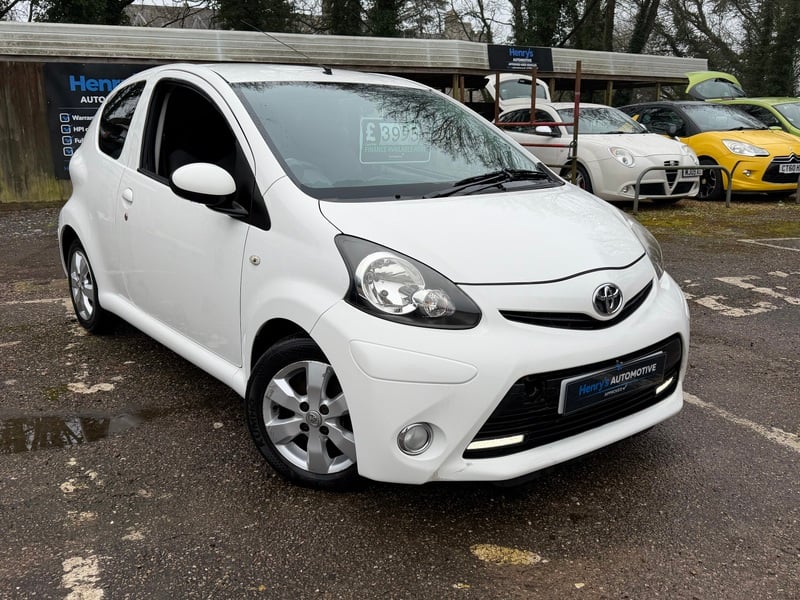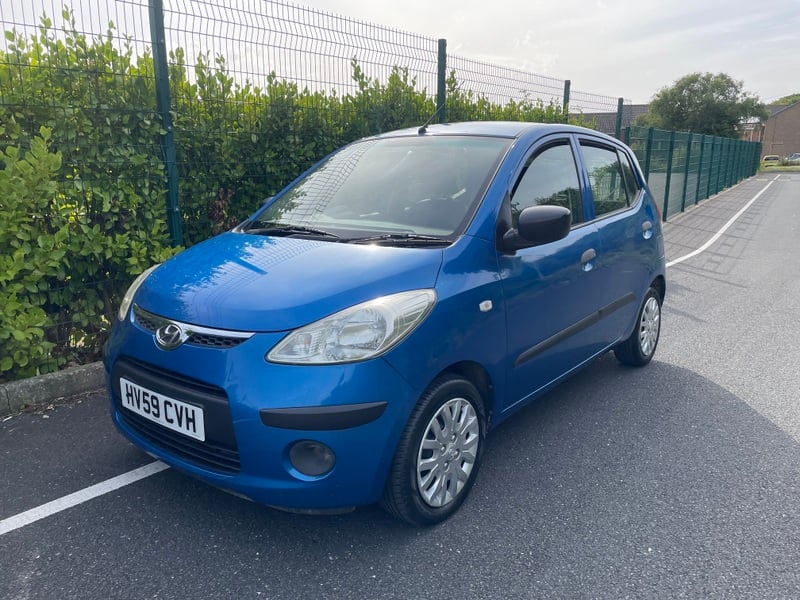
Most private car listings make the same mistake: they describe what the car is, not why someone should buy it. A listing that converts isn't a specification sheet — it's a short, honest account that answers the questions a buyer has before they pick up the phone.
What Buyers Want to Know (In Order)
Before writing a word, understand what a buyer is thinking as they scan your listing:
- Is this the right car for me? — make, model, year, mileage
- Can I trust this seller? — history, honesty about condition
- Is it worth the asking price? — what's been spent on it, MOT, remaining life
- What's the catch? — any issues, reason for selling
- Can I view it? — location, contact method
Your listing should answer all five, in roughly that order.
The Headline
Your title appears in search results and on the listing card. It needs to convey the essentials at a glance:
Formula: [Year] [Make] [Model] — [Mileage] — [Key Selling Point]
Examples:
2015 Ford Fiesta 1.0 EcoBoost — 48,000 miles — Full Service History2012 Toyota Yaris — 62,000 miles — Long MOT, Just Serviced2018 Skoda Fabia 1.0 MPI — 35,000 miles — 1 Owner from New
What to avoid:
- Vague openers: "Great car", "Amazing condition", "Reluctant sale"
- Missing the year — buyers use year as a filter
- Overly long titles that truncate in search results
The Opening Paragraph
Lead with a two-sentence summary that earns the reader's attention:
"Clean, well-maintained 2015 Fiesta with a full Ford service history and 11 months' MOT. The car has been my daily driver for three years and is being sold only because I'm moving to an automatic."
This immediately establishes:
- The car's condition (maintained, honest history)
- That the seller knows and cares about the car
- A credible reason for selling (important for buyer trust)
The Main Description: What to Cover
Mechanical and Service History
This is what buyers care about most:
- When was it last serviced? What was done?
- How many months of MOT remain?
- Has any significant work been done recently? (tyres, brakes, belt changes)
- Is there a stamped service book or receipts?
Be specific. "Recently serviced" tells a buyer nothing. "Full service in April 2026 at Newport Motors, 12 months MOT, new front tyres in February" tells them everything.
Condition — Including the Flaws
Experienced buyers know every used car has something. A seller who describes their car as "perfect" or "immaculate" immediately raises suspicion.
List every cosmetic issue honestly:
- "Small scuff on the rear bumper (photographed)"
- "Stone chip on the front left door, not deep"
- "Driver's seat fabric slightly worn on the bolster"
This builds more trust than hiding the flaws. Buyers who view without surprises are far more likely to buy.
Specification and Features
Only mention features that aren't standard for the model:
- Air conditioning (not universal on base spec small cars)
- Parking sensors or cameras
- Heated seats
- Sat nav (built-in, not a suction cup)
- Alloy wheels
- Bluetooth/Apple CarPlay/Android Auto
Listing every standard feature ("4 wheels, working radio") wastes words and signals that you have nothing meaningful to say about the car.
Reason for Selling
Include it. A buyer will wonder anyway. Honest reasons:
- Upgrading to something larger/newer
- Switching to an electric or automatic
- Moving away from the island
- No longer need a car
Vague reasons ("needs a loving home", "time for a change") raise flags. Specific reasons are credible.
Example Listing Structure
2016 Ford Fiesta 1.0 EcoBoost — 54,000 miles — FSH

Clean example with a full service history (7 stamps, last serviced at Sturgess
Ford Newport in Feb 2026). MOT until January 2027. Two previous keepers before me.

The car runs perfectly — no warning lights, all electrics work, air conditioning
is cold. I've owned it for 4 years and covered around 15,000 miles in that time.

Honest about condition: there's a small scuff on the rear bumper (shown in photos)
and the steering wheel has some wear, typical for age. No mechanical issues.

Full service history, MOT certificate, V5C, and one spare key included.

Selling because I've bought an automatic.

Newport. Cash or bank transfer on collection. Serious enquiries only.
Length and Format
| Aspect | Guidance |
|---|---|
| Length | 150–300 words is enough; longer is rarely better |
| Format | Short paragraphs or a clear structure; avoid walls of text |
| Honesty | Mention every flaw — hiding them wastes everyone's time |
| Avoid | Exclamation marks, ALL CAPS, and estate agent superlatives |
What NOT to Write
- "Reluctant sale" — almost never true, immediately suspicious
- "No time wasters" — off-putting to genuine buyers; tells the buyer nothing useful
- "Priced to sell" — meaningless
- "Viewings at Newport on the Isle of Wight" — always say where you are
Frequently Asked Questions
What is the most important thing to include in a used car listing? Service history and honest condition — in that order. A buyer's primary concern is whether the car has been maintained. Be specific: "Full service at Newport Motors in March 2026, 11 months MOT, new front tyres in January" tells buyers everything they need. Vague statements like "recently serviced" or "well maintained" tell them nothing and raise suspicion. Equally, honest disclosure of every cosmetic flaw builds more trust than hiding them — experienced buyers know every used car has something, and a seller who's upfront about it signals they have nothing worse to hide.
Should I include a reason for selling? Yes, always. Buyers will wonder regardless, and a vague or missing reason raises suspicion. Specific, credible reasons — "switching to an automatic", "moving to the mainland", "no longer need a car" — reassure buyers that there's no hidden mechanical or financial reason for the sale. Avoid vague phrases like "needs a loving home" or "time for a change", which sound evasive. The reason for selling is one of the first things buyers look for, so give them a clear, honest answer.
How long should a used car listing be? 150–300 words is the right range for most listings. Longer is rarely better — walls of text get skimmed. Structure matters more than length: answer the five buyer questions in order (is this the right car, can I trust this seller, is it worth the price, what's the catch, can I view it), and use short paragraphs. Avoid filler: listing every standard feature wastes words. Mention only features that aren't standard for the model — air conditioning on a base-spec small car, built-in sat nav, heated seats, parking sensors.
Should I list all the features and specifications? No — only mention features that aren't standard for the model and specification. Listing everything signals you have nothing meaningful to say about the car. Experienced buyers can look up the spec sheet; what they can't easily find out is what the car's history is like, what condition it's in, and why you're selling. Spend your words on those things. The only features worth listing are genuinely non-standard additions: upgraded alloys, a factory panoramic roof, built-in sat nav where it wasn't standard, parking sensors on a model where they were optional.
What phrases should I avoid in a car listing? "Reluctant sale" — almost never true and immediately suspicious. "No time wasters" — off-putting to genuine buyers. "Priced to sell" — meaningless. "Immaculate", "pristine", "perfect" — experienced buyers know this isn't true of any used car and it triggers scepticism. "Needs no money spending" — if true, prove it with service history. Use specific, verifiable language instead: exact service history, exact MOT date, every fault disclosed with photos. Specificity is what converts browsers into buyers.
List your car on WightWheels →
Related: Photography guide · Selling your car on IoW · Part-exchange vs private sale