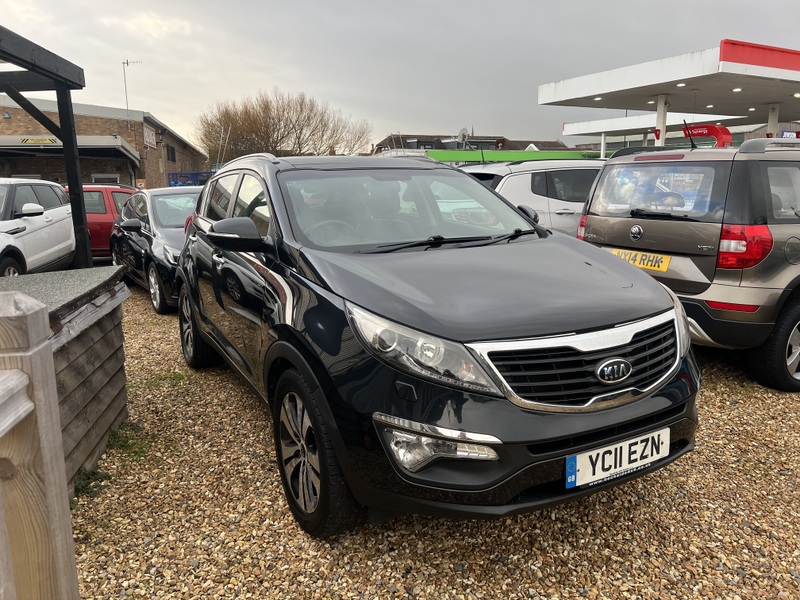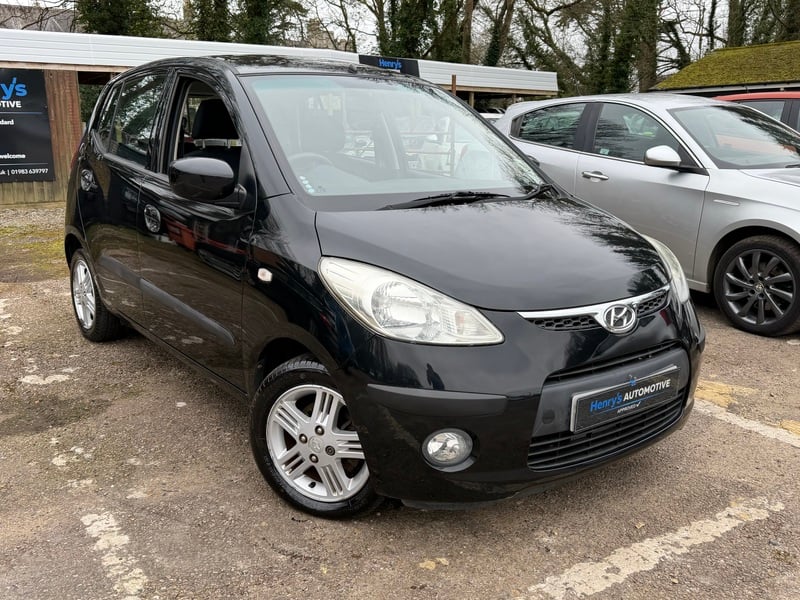
Selling privately typically gets you 15–25% more than part exchange at a dealer. On a car worth £6,000, that's up to £1,500 more in your pocket. The Isle of Wight used car market is active year-round, and local buyers genuinely prefer island listings — no ferry, no long test drive logistics.
Here's the complete process from first steps to handover.
Step 1: Research Your Price
Before you set an asking price, understand what comparable cars are actually selling for — not just listed for.
Tools to use:
- WightWheels — search for your make and model to see current island asking prices
- Autotrader — mainland comparison; note that mainland prices may differ from island demand
- eBay Motors — see what cars have actually sold for (completed listings)
- We Buy Any Car / Motorway — get a trade-in quote as your floor price (you should beat this in private sale)
Pricing strategy: Set your asking price 5–10% above your target to allow room for negotiation. A £5,000 car should be listed at £5,250–£5,500. Buyers expect to negotiate; a non-negotiable price signals inflexibility and can put people off.
Step 2: Prepare the Car
How the car presents at viewing — and in photos — directly affects both the price you achieve and how quickly it sells.
Exterior:
- Full wash and dry, including wheels and wheel arches
- Apply a quick wax or spray detailer for shine
- Clean all glass inside and out
- Fix minor issues where the cost is less than the value gained (scuffs, chips)
Interior:
- Vacuum seats, carpets, and boot
- Wipe all hard surfaces (dashboard, door cards, centre console)
- Clean all glass
- Remove all personal items
Under the bonnet:
- Top up any low fluid levels
- Wipe visible grime from the top of the engine bay
- Buyers see this — a clean, well-maintained bay builds confidence
Documentation:
- V5C logbook — locate it and confirm it's in your name
- MOT certificate — check expiry date
- Service history — gather stamps, receipts, or dealer records
- Spare keys — locate all sets
Step 3: Take Great Photos
Photos are the first impression. Listings with strong photos get enquiries; listings with poor photos get ignored.
What to shoot:
- 3/4 front and 3/4 rear (hero shots)
- Both sides, straight profile
- Front and rear straight-on
- All four wheels
- Every piece of damage, honestly shown
- Interior: front seats, rear seats, dashboard, boot
- Engine bay
- Service history and MOT certificate
When and where:
- Shoot in overcast daylight, not direct sun or at night
- Use a clean, neutral background — empty car park or quiet street
- Crouch low for exterior shots — makes the car look more dynamic
Read the full photography guide for detail.
Step 4: Write Your Listing
Your description should answer every question a buyer has before they need to contact you.
Include:
- Year, make, model, variant, and exact mileage
- MOT expiry date and when it was last serviced
- What work has been done recently (tyres, brakes, belt changes)
- Honest description of condition — including any flaws
- Number of previous keepers
- Reason for selling
Avoid:
- "Reluctant sale" — almost never believed
- "No time wasters" — off-putting to genuine buyers
- Vague terms like "recently serviced" without dates
Read the full listing writing guide for structure and examples.
Step 5: Choose Where to List
| Platform | Audience | Cost | Best For |
|---|---|---|---|
| WightWheels | Island buyers | Free | Primary listing — local audience, no mainland competition |
| Autotrader | UK-wide | ~£24–£80/month | Additional reach for higher-value cars |
| Facebook Marketplace | Local/UK | Free | Supplementary; some time-wasters but active |
| eBay Motors | UK-wide | Listing fee + final value | Competitive auction format for in-demand cars |
For most island sellers, WightWheels reaches the right audience without the cost or competition of mainland platforms.
Step 6: Handle Enquiries
Respond promptly — buyers who don't get a quick response move to the next listing.
At the viewing:
- Arrange daytime viewings only
- Meet at your home or a public place you're comfortable with
- Have all documents ready to show
- Let them inspect and test drive the car
Negotiation:
- Expect offers below your asking price — this is normal
- Know your minimum before the viewing
- Don't feel pressured into accepting on the spot; "let me think about it" is a valid response
Step 7: Complete the Sale Safely
Payment:
- Bank transfer is the safest method for amounts over £500
- Confirm the payment has arrived in your account (log into your banking app yourself; don't rely on screenshots)
- For large amounts, call your bank to confirm the transfer is genuinely cleared before handing over keys
- Never accept cheques for car sales
Documents to hand over:
- V5C (complete Section 6 or notify DVLA online same day)
- MOT certificate
- Service history
- All keys
Notify the DVLA: Tell the DVLA you've sold the vehicle on the same day at gov.uk/sold-bought-vehicle. Until you do, you remain legally linked to the car — including any future fines or offences.
Isle of Wight Selling Tips
- Mention ferry-free buying in your listing — a genuine advantage over mainland alternatives for island buyers
- Highlight island-relevant features: small size for parking, fuel economy, good ground clearance for rural lanes
- Be specific about your location: Newport, Ryde, Cowes — buyers will want to know how far they're travelling
Frequently Asked Questions
Where is the best place to sell a car on the Isle of Wight?
For island sellers targeting local buyers, WightWheels lists exclusively to island buyers — which means no mainland competition and buyers who don't need to organise a ferry trip to view. For additional reach on higher-value cars (£8,000+), supplement with Autotrader to attract mainland buyers who are happy to come over. Facebook Marketplace is free and active but attracts more enquiries with lower commitment. For guaranteed fast sale at trade prices, We Buy Any Car and Motorway give instant offers — useful as a price floor but typically 20–30% below private sale value.
How long does it take to sell a car on the Isle of Wight?
A well-priced, clean car in a popular model and price range (Ford Fiesta, Vauxhall Corsa, VW Golf at £3,000–£8,000) typically sells within 1–3 weeks. Unusual models, higher-price cars, or cars needing work can take 4–8 weeks. Summer (June–August) sees higher buyer activity; December and January tend to be slower. Overpricing is the single most common cause of a slow sale — if you've had no genuine enquiries after two weeks, reduce the price by 5%.
How do I accept payment safely when selling a car privately?
Bank transfer (BACS/Faster Payments) is the safest method for any amount over £500. Verify the payment has cleared by logging into your banking app yourself — do not accept a screenshot from the buyer as proof, as these can be faked. For amounts over £10,000, call your bank to confirm the transfer is cleared and not subject to recall. Do not accept cheques, PayPal, or cryptocurrency for car sales — all carry significant risk for sellers. Cash is acceptable for smaller amounts but awkward and risky above £1,000.
Do I need to tell DVLA when I sell my car?
Yes — this is a legal requirement. Notify the DVLA on the day of sale at gov.uk/sold-bought-vehicle. You'll need the new keeper's name and address and the date of sale. Until you notify the DVLA, you remain legally responsible for the vehicle — including any parking fines, speeding tickets, or congestion charges incurred after the sale. Keep a copy of the confirmation for your records.
Is it better to sell privately or part-exchange on the Isle of Wight?
Private sale almost always gets you more money — typically 15–25% above part-exchange value. On a £6,000 car, that's a difference of £900–£1,500. Part exchange is faster and simpler: one appointment, one transaction, no strangers in your home. For sellers who value time over money, or who are buying from a dealer and want a simple process, part exchange makes sense. For sellers prioritising the best price, private sale via WightWheels is the better route.
List your car free on WightWheels →
Related: Photography guide · Buying a car locally · DVLA paperwork guide