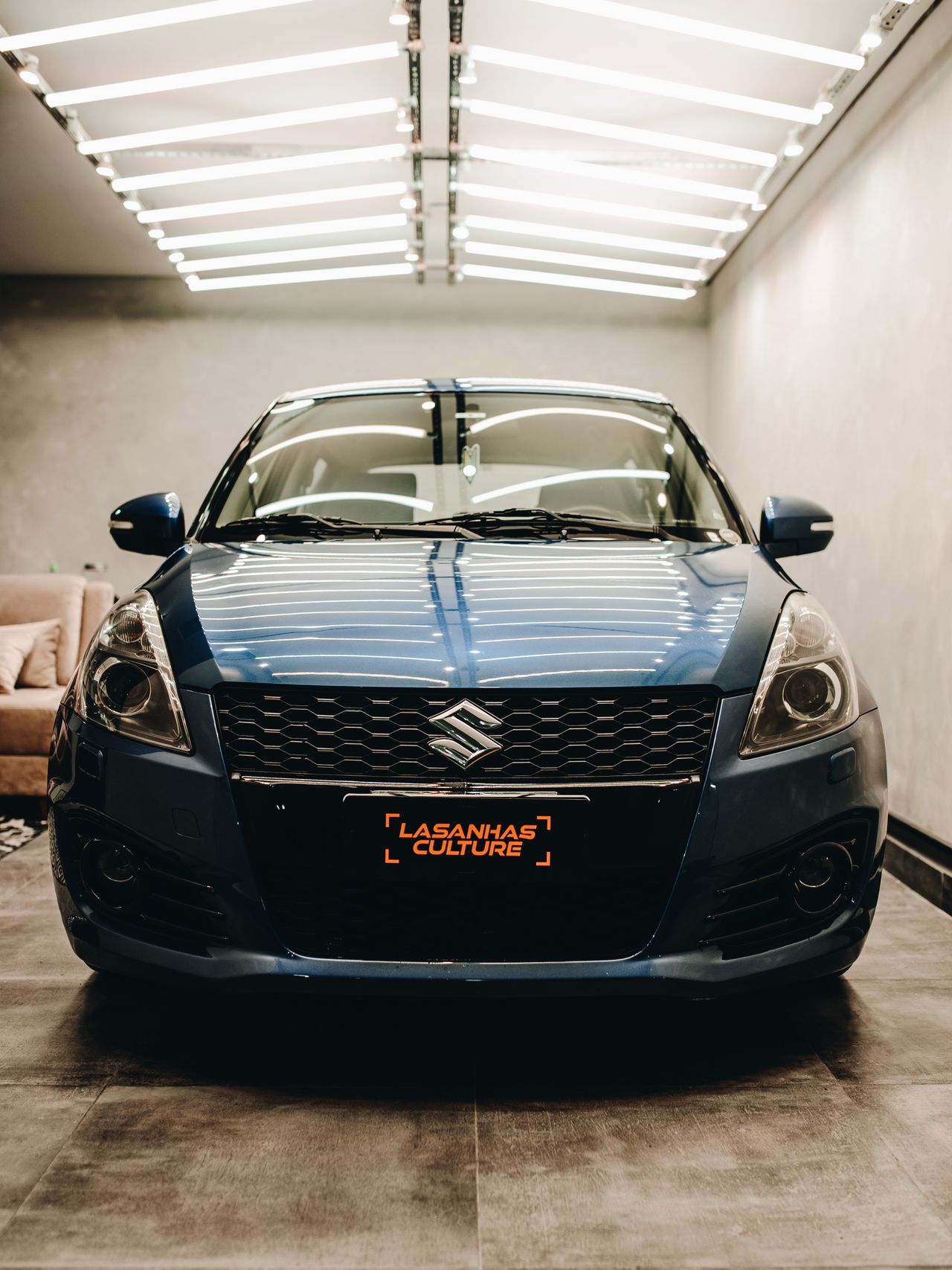
The Suzuki Swift has always been slightly different from its competitors in the small hatchback class. Where the Renault Clio aims for style and the Volkswagen Polo for build quality, the Swift prioritises a genuine sense of driving fun without adding complexity or cost. It's light, relatively simple, and backed by Suzuki's reputation for exceptional reliability. On the Isle of Wight, where roads are tight and annual mileage is modest, the Swift's character feels especially at home.
Browse Suzuki Swift listings on the Isle of Wight →
Which Generation to Choose
Third Generation (2010–2017) The generation that defined the modern Swift. Available with 1.2-litre and 1.4-litre petrol engines (Sport), plus a 1.3 DDiS diesel. The 1.2 petrol is straightforward and reliable — an excellent IoW choice. The Sport variant has a firmer suspension setup that some find uncomfortable on rougher roads. The diesel is efficient but unnecessary for IoW distances and brings DPF risk.
Fourth Generation (2017–present) More refined interior, Boosterjet turbo engine options, and mild-hybrid (SHVS) system on some variants. The 1.0 Boosterjet (in the Sport) and 1.2 mild-hybrid are both excellent choices for IoW use. The mild-hybrid system captures braking energy at low speeds — ideally suited to the island's stop-start traffic patterns. Standard safety features (autonomous emergency braking, lane assist) are fitted from launch on later models.
Why the Swift Works on the Isle of Wight
- Light and agile: The Swift's relatively low weight (around 900kg) means it feels nimble on the island's country lanes and easier to manoeuvre in tight spaces
- Simple running costs: No complex systems to fail, cheap to insure, easy to service — any competent garage on the island can handle routine Swift maintenance
- Mild-hybrid efficiency: The SHVS system on post-2017 models works quietly in the background to reduce fuel consumption on short IoW journeys, with no special charging or maintenance required
- Fun to drive: The Swift has a reputation among enthusiasts for being genuinely enjoyable at low speeds — it rewards drivers who like to feel connected to the road
Swift Sport: Worth It?
The Sport variant (available in both third and fourth generations) has a sportier engine, stiffer suspension, and more aggressive styling. On the IoW:
- The extra performance is rarely relevant given the island's speed limits
- The firmer suspension is noticeably less comfortable on rougher roads
- Insurance costs are higher
- Fuel economy is slightly worse
For most IoW buyers, a standard Swift is the more practical choice. The Sport is worth considering only if driving enjoyment specifically matters to you.
Common Issues to Check
- Rust (third gen, pre-2017): The Swift's sills and lower rear wheel arches can rust on older examples, particularly where exposed to salt air. Inspect carefully on any IoW car over ten years old
- CVT transmission: Some variants offer a CVT (continuously variable) automatic. These work well at low speeds but can feel sluggish when accelerating quickly. A test drive will reveal if this suits you
- Windscreen chips: The Swift's upright windscreen tends to collect stone chips. Check for any cracks that might fail an MOT
- Rear suspension (third gen): Higher-mileage third-gen Swifts can develop a clonking noise from the rear suspension. Usually worn bushes — inexpensive to replace but worth checking
What to Pay on the Isle of Wight
- Third gen (2010–2017): £4,000–£9,000
- Fourth gen (2017+): £8,000–£16,000
- Swift Sport (fourth gen): £10,000–£18,000
IoW examples are typically well-cared-for with modest mileage — particularly those owned by older residents who use the car mainly for local trips.
Salt Air Inspection
On any IoW example:
- Sill ends and lower sills — particularly important on older third-gen cars
- Lower rear wheel arches
- Around the spare wheel well in the boot on older examples
Read our full salt air corrosion guide for a complete checklist.
Frequently Asked Questions
Is the Suzuki Swift a good car for the Isle of Wight? Yes — well suited to island life. Its compact footprint handles narrow IoW lanes and tight car parks with ease. The relatively simple mechanicals (particularly on third-gen models) mean any local garage can service it. Reliability is excellent across both generations — Suzuki has a strong track record for low repair frequency. The fourth-gen mild-hybrid system works quietly to improve fuel economy on the stop-start island driving patterns, without requiring special charging or maintenance.
Which generation Suzuki Swift should I buy? The fourth gen (2017–present) 1.2 Mild Hybrid is the best choice if budget allows. The SHVS mild-hybrid system recaptures braking energy at low speeds — exactly what IoW short-hop driving provides — and improves real-world fuel economy noticeably. The interior quality and safety equipment are also significantly better than the third gen. If budget is tight, the third gen (2010–2017) 1.2 petrol is a solid and reliable choice: straightforward to service, excellent reliability record, and widely available. Avoid the third-gen diesel on the island — DPF risk on short journeys.
Is the Swift Sport worth buying on the Isle of Wight? Probably not for most buyers. The Sport's extra performance is rarely usable given the island's speed limits and road types. The firmer suspension is noticeably less comfortable on the IoW's varied road surfaces — particularly on B-roads and village lanes. Insurance costs are higher, fuel economy slightly worse, and the practical benefits for island driving are minimal. The standard Swift is the more sensible choice for typical IoW use.
What should I check when buying a used Suzuki Swift on the IoW? On third-gen cars (pre-2017): inspect sills and lower rear wheel arches for rust — older IoW examples can show salt air corrosion here. Check the windscreen for stone chip cracks (the upright screen attracts chips). On higher-mileage third-gen: listen for clonking from the rear suspension — worn bushes, inexpensive to replace but worth checking. On CVT automatic versions: test drive and confirm smooth delivery without hunting or sluggishness. Check tyre age alongside tread depth — tyres over five years old on an island car should be replaced.
How much does a Suzuki Swift cost on the Isle of Wight? Third gen (2010–2017): £4,000–£9,000 depending on mileage and trim. Fourth gen (2017+): £8,000–£16,000. Swift Sport (fourth gen): £10,000–£18,000. IoW examples often have modest mileage — particularly those owned by older residents who use the car mainly for local trips — which is a genuine advantage for used buyers.
Browse Suzuki Swift listings on the Isle of Wight →
Related: Honda Jazz guide · SEAT Ibiza guide · Ford Fiesta guide